

Travel Insights · Destination Research · Pieria, Greece
When AI Gets Travel Information Wrong: Why Local Knowledge and Verification Matter
AI can make travel planning easier. But when a recommendation leads to a real place, a real business or a journey on the ground, the information behind it still matters.
Planning a trip has never been easier. With a few prompts, artificial intelligence can suggest places to visit, organise an itinerary, recommend restaurants and help travellers discover destinations they may not have considered before.
The answers often look convincing. They are clearly written, logically organised and tailored to the request. Yet an important question remains: has the information actually been checked?
A place may be described inaccurately. A business may have changed its opening hours. A suggested route may be impractical, or an experience may require advance arrangements that the answer does not mention.
These errors can affect how people spend their time, where they go and what they expect from a destination. AI is useful for exploring possibilities and organising information, but important details still need appropriate research and confirmation.
At a Glance
- The issue: AI-generated travel information can sound convincing without being fully accurate or current.
- The solution: Check important claims against appropriate sources and confirm practical details where necessary.
- The role of local knowledge: Add context, first-hand observations and a better understanding of how a place works in practice.
- Who this matters to: Travellers, travel writers, tour operators, accommodation providers and destination marketers.
Why AI-Generated Travel Information Can Be Wrong
Generative AI produces responses by identifying patterns and generating content based on information available to the system. Depending on the tool, it may also use web search or connected sources. These capabilities can make research faster, but they do not guarantee that every statement is correct.
One known limitation is the production of plausible but false or unsupported information, commonly called an AI hallucination. In travel planning, this can be difficult to recognise because an inaccurate detail may appear within an otherwise sensible itinerary.
A 2026 study published in the Journal of Consumer Behaviour examined how errors in AI-generated travel itineraries influence consumer responses. Across two experiments, the researchers found that hallucinations reduced perceived accuracy and could undermine trust through related perceptions of the recommendations.
The findings do not mean that AI travel advice is always wrong. They highlight why convincing language should not be mistaken for verified information.
Research published in 2024 has also examined ChatGPT as a travel itinerary planner, exploring its capabilities and limitations in creating travel plans. The practical lesson is to treat generated itineraries as a starting point for research, not as a substitute for checking the details that matter.
A Useful Distinction
AI can help generate an answer. Verification helps establish whether that answer is reliable enough to act on.
When a Small Mistake Changes a Trip
Some inaccuracies have little practical impact. Others can change an entire day of travel.
Imagine a visitor planning to explore Pieria, the region between Mount Olympus and the Aegean Sea in northern Greece. An AI-generated itinerary might combine a mountain village, an archaeological site, a local food experience and a walk along the coast.
The overall idea may be appealing. Before following it, however, several practical questions need answers:
- Does the place exist as described? Names, locations and descriptions need to match the real attraction.
- Can visitors access it? Access arrangements, restrictions and requirements need to be checked.
- Is it open on the intended day? Opening hours and seasonal schedules can change.
- Is the route realistic? Distances, travel times, terrain and transport options affect what is feasible.
- Does the recommendation suit the traveller? A demanding hike may not be appropriate for someone looking for an easy family walk.
- Is the experience available? A tasting, workshop or visit to a local producer may require advance contact.
An itinerary can look excellent on a screen while overlooking one of these details. A traveller may lose time, miss an experience or arrive with expectations that the destination cannot meet.
The same principle applies to destination articles, accommodation guides and promotional content. An attractive description is useful only when it reflects what a visitor can realistically expect.
Online Research Is the Starting Point, Not the Finish Line
Reliable destination research rarely depends on a single source. Different sources answer different questions, and their information may vary in quality, detail and freshness.
An official website may be the right starting point for published opening hours or admission information. A local operator may clarify how an experience works in practice. A map can help assess distances and the relationship between locations. Recent first-hand observations may reveal details missing from a general description.
The important point is to match the source to the claim being checked.

A photograph can document what was visible at a particular moment. It cannot, by itself, confirm today’s opening hours, current access arrangements or whether a business is accepting visitors.
Those details need separate verification. When information cannot be confirmed, it is better to state that clearly than to turn an assumption into a fact.
What Local Knowledge Adds
Local knowledge is valuable not because people who live in a destination are automatically right about everything, but because direct experience can reveal context that is difficult to capture in a generic description.
Someone familiar with a region may know that a short distance on a map does not necessarily mean an easy journey. They may understand the difference between a place that is straightforward to visit independently and an experience that requires advance contact. They may also know which questions to ask before recommending a local business, walking route or activity.
This knowledge becomes more useful when combined with reliable sources, current information and a willingness to check assumptions.
For example, a general description of an archaeological site may explain its historical importance. Practical destination research asks additional questions: where visitors enter, what information is available, how the site fits into a wider journey and which details need confirmation before a visit.
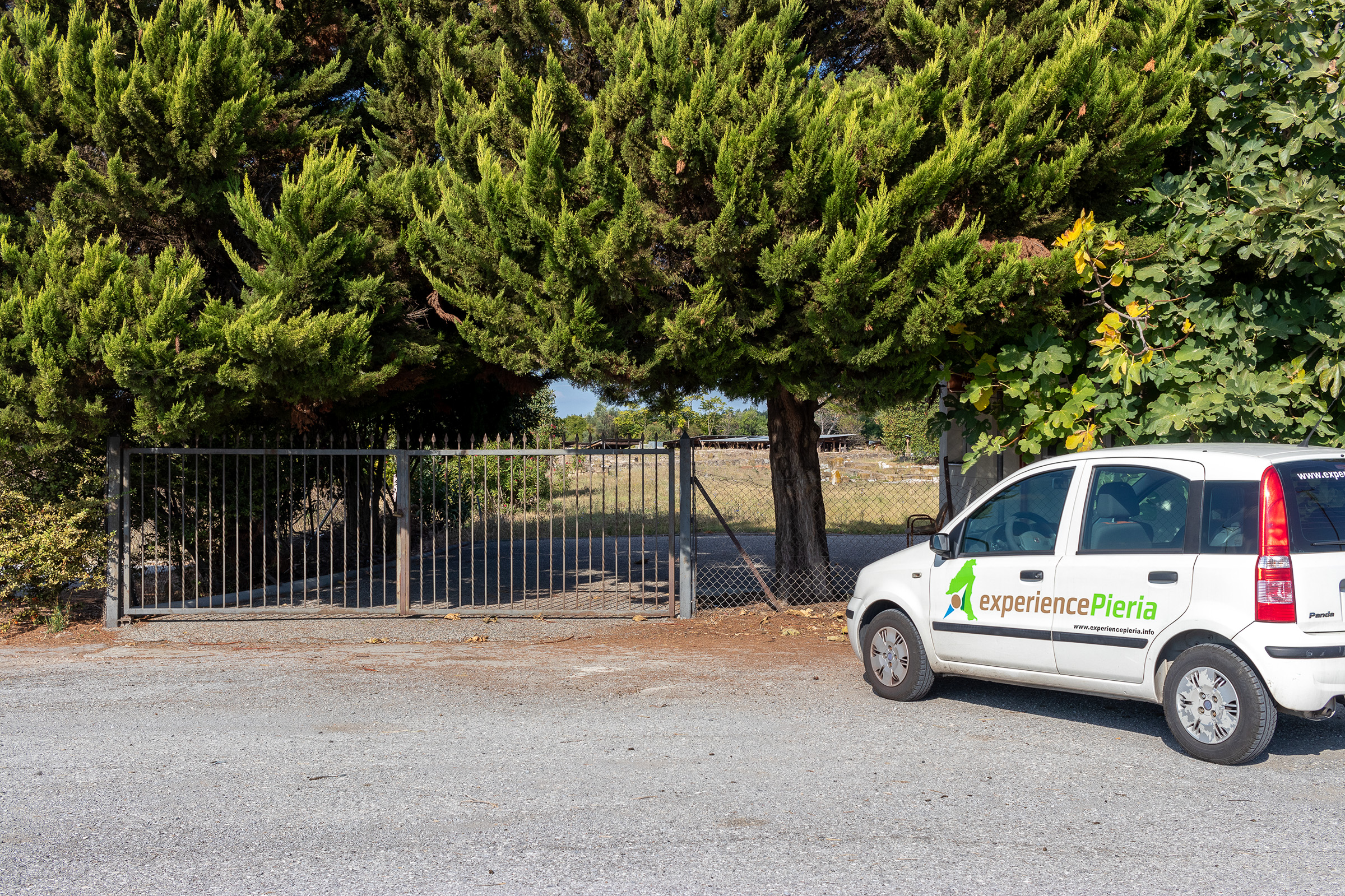
Online research and on-the-ground observation complement one another. Neither should be expected to answer every question alone.
Real Places, Real People and the Details Behind a Story
Destination information becomes more meaningful when it reflects the people and activities that shape a place.
Consider agricultural production in Pieria. A general description of kiwifruit can explain the crop and its importance to the region. A story about a particular farm needs a different level of attention: the actual growing location, the people involved, the timing of the activity and whether visitors can be received.
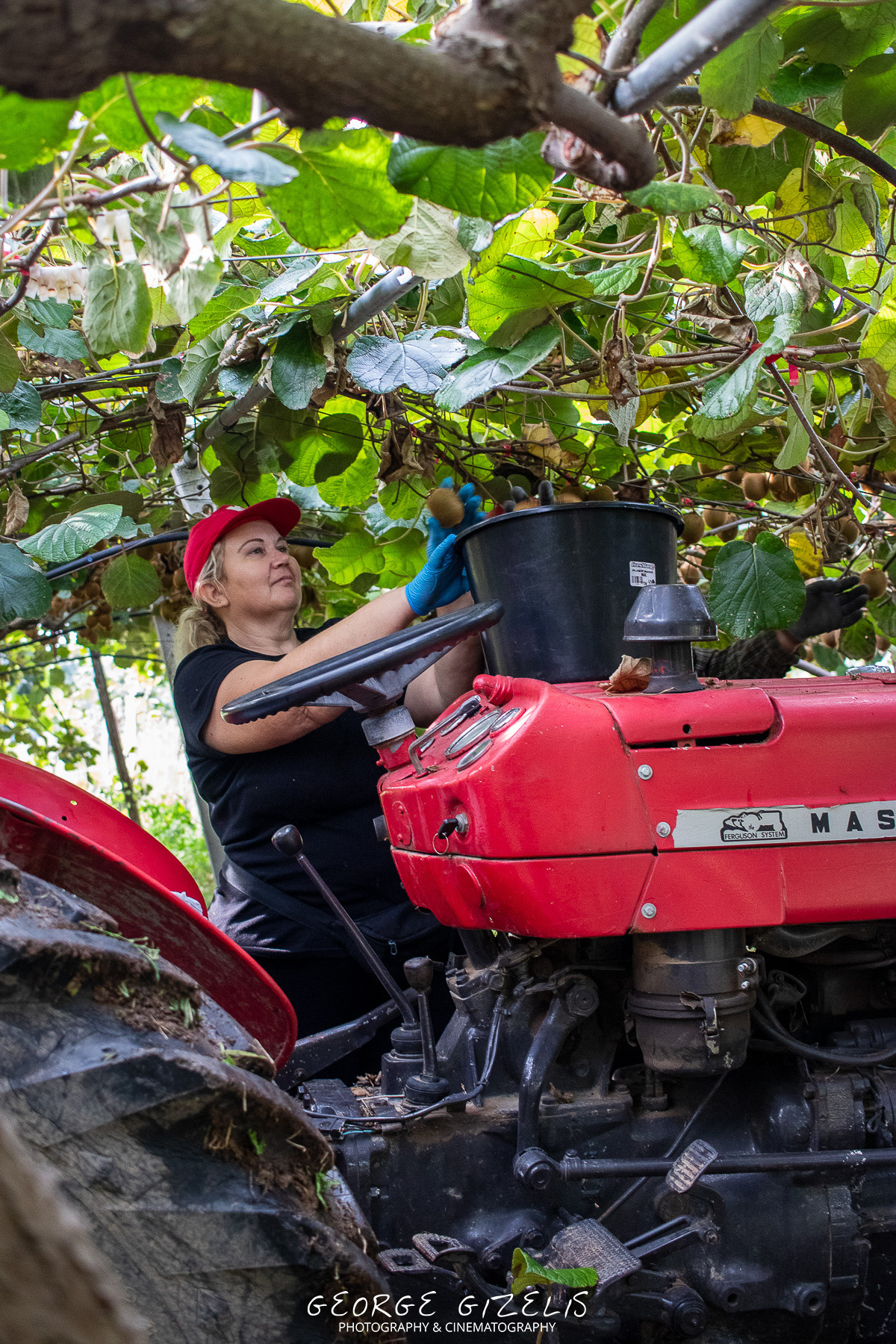
AI can help organise background information or suggest questions for an interview. It cannot replace confirmation of the details of a particular farm or a conversation with the people involved.
The same applies to accommodation, restaurants, outdoor activities and cultural experiences. Useful destination content connects the general picture with the specific reality of a place.
From Digital Research to Fieldwork
For travel professionals, AI can support the early stages of a project. It can help brainstorm story angles, organise notes, prepare a research outline and identify questions that still need answers.
The next step is to check the claims that matter and, where appropriate, gather information directly from the destination.
During fieldwork, I may be documenting a local event, exploring a place or recording the details of an experience. The camera captures what is visible, while observation and conversations help build a fuller understanding of the setting.
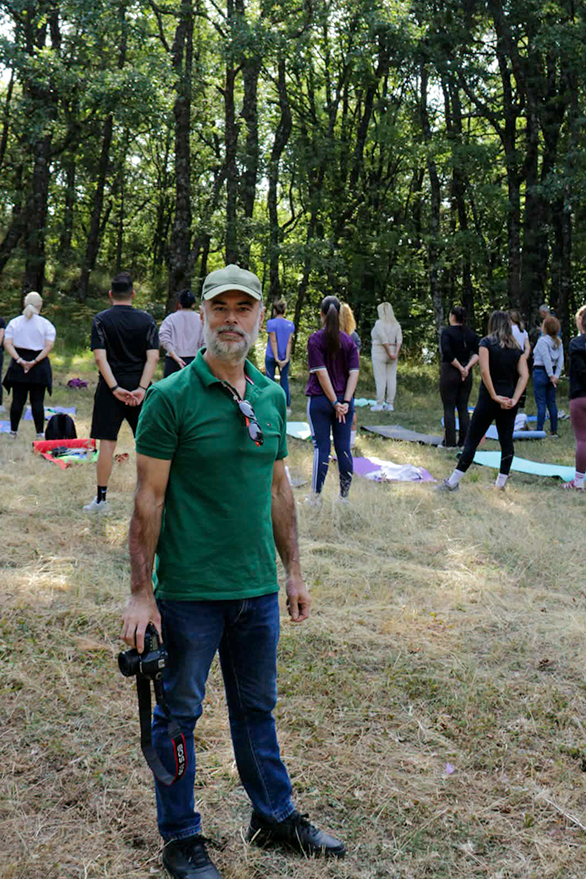
A useful workflow can follow four stages:
- Discover: use digital tools to identify possible places, themes and experiences worth investigating.
- Research: collect information from relevant official, local and first-hand sources.
- Verify: check important claims and confirm practical details with the appropriate source or person.
- Communicate: create clear content that distinguishes confirmed facts from impressions, suggestions and details that may change.
The aim is not to make every research task complicated. It is to apply the right level of care to information that could affect a visitor’s decisions.
A Practical Checklist for Verifying Travel Information
Whether you are planning a holiday or preparing content for travellers, these checks can help reduce the risk of relying on inaccurate information.
- Identify important claims. Separate general inspiration from details that affect decisions, such as access, prices, opening hours and availability.
- Check the original source. Follow references back to an official authority, the actual attraction or the responsible business.
- Check when the information was published or updated. This matters particularly for seasonal activities and operating details.
- Compare sources where appropriate. If important details conflict, investigate further instead of choosing the answer that sounds most convincing.
- Contact the responsible person when necessary. Direct confirmation may be the best option for bookings, visits and locally organised experiences.
- Consider the traveller’s circumstances. Routes, access and practical recommendations should fit the intended audience.
- Be transparent about uncertainty. Qualify or omit details that cannot be confirmed.
This approach is useful whether the first draft comes from AI, a search engine, a travel guide or a human writer. Every source can contain errors, and important information deserves appropriate checks.
Why This Matters for Smaller Destinations
Smaller destinations often have stories that are less visible in widely circulated travel content: family-run producers, local traditions, lesser-known routes, small cultural sites and experiences that depend on personal contact.
Information about these places may be scattered across websites, social media pages and local contacts. Some details may not be published online at all. Careful research is particularly valuable when someone is planning an itinerary or creating material for an international audience.
In Pieria, the relationship between the coast, the foothills and the wider Mount Olympus landscape creates many ways to experience the region. But naming an attraction is only the beginning. Visitors also need context to understand where it is, how it fits into their plans and what they should confirm before setting off.
Good destination content does not promise that every experience will be perfect. It gives people a clearer, more grounded basis for deciding what is right for them.
Beyond the Answer: The Value of Verified Local Information
Artificial intelligence will remain part of how people discover and plan travel. It can be a helpful assistant, but it should not remove the need for judgement, source checking or local understanding.
The strongest destination information combines the efficiency of digital tools with careful research and the perspective that comes from engaging with a place. It asks not only what can be said about a destination, but also what can be confirmed, what is useful to a visitor and what still needs checking.
For travel professionals, this is an opportunity to create content that goes beyond a convincing description. For travellers, it is a reminder to verify important details before acting on a recommendation.
For destinations such as Pieria, it is a reason to keep documenting the places, people and experiences that make the region distinctive, with curiosity, accuracy and respect for the reality behind the story.
At Experience Pieria, this approach starts with the destination itself. Through local exploration, first-hand observation, conversations with people who know the region and carefully developed editorial content, we aim to help visitors understand not only what Pieria offers, but also what makes each place, person or experience worth discovering.
For travellers researching Pieria online, our practical guides and local stories provide context to help them explore the region, discover places beyond the familiar highlights and make more informed decisions about their visit. Practical details that may change still need to be confirmed with the relevant attraction or business.
For travel professionals, tour operators, publishers and destination teams, we offer a complementary approach through Destination Field Research & Content Production. This service brings together local knowledge, on-the-ground observation and destination content to help clients develop a clearer, more practical understanding of what a destination can offer.
AI and other digital tools can support research and content development. The value lies in combining them with local context, appropriate verification and a direct understanding of the destination.
Sources & Further Reading
- Rejón-Guardia, F., Molinillo, S. & Anaya-Sánchez, R. (2026). AI Hallucinations in Tourism: How Errors Impact Consumer Trust and Recommendation Acceptance. Journal of Consumer Behaviour, 25(2), 923–938.
- ChatGPT as a Travel Itinerary Planner (2024). In Information and Communication Technologies in Tourism 2024.
Discover Pieria Differently
Explore forest trails, coastal villages, local food and quieter corners of the region through authentic stories and practical guides from Experience Pieria.
