
Food & Gastronomy · Local Producers · Leptokarya, Pieria
Some local products become part of our lives long before we stop to think about where they come from. We enjoy them at the table, share them with friends or take them as gifts to people we care about. But every so often, it is worth stepping back and discovering the people, the landscape and the work behind them.
For me, this is one of the most interesting ways to get to know a place. Gastronomy is more than food. It is part of a region’s identity, shaped by its land, its people, their knowledge and the traditions they carry forward.
That is also why, through Experience Pieria, I try to meet local producers, discover their products first-hand and share their stories with people who want to get to know this part of Greece beyond its familiar tourist destinations.
On Saturday, 24 October 2026, I had the opportunity to experience something I had wanted to do for some time: spend part of a morning at an olive harvest in Leptokarya, at the foothills of Mount Olympus, and follow the journey of the olives towards the mill.
From Discovering the Oil to Experiencing the Harvest
I first came across Forelia during the first OLYMPUS TFP FESTIVAL 2026. During our visit to the estate in Leptokarya, we tasted their olive oil alongside a meal prepared with local ingredients. It was an experience that made me curious to learn more about the people behind the product and the work that goes into producing it.
I remembered that visit, and I wanted to learn more about what lay behind the oil we had tasted.
When I decided to continue developing stories about local producers for Experience Pieria, I contacted Kostas Kapsalis. We had already been in touch about a listing for Forelia, and I asked whether I could also visit one of their olive groves during the harvest.
The idea was simple: not just to photograph the finished product or write about its qualities, but to see the work for myself.
I enjoy discovering and choosing quality local products for my family and for friends who visit us here. We also send local products to people we know, sharing a little of the place we live in with those who are elsewhere. That makes it important to me to know what I am choosing and, whenever possible, the people behind it.
There is something meaningful about being able to tell someone not only where a product comes from, but also what you saw, who you met and what you learned along the way.
An Olive Grove Near Leptokarya and Ancient Leivithra
We met in Litochoro. From there, I went with Kostas to the Forelia estate I had visited during the September photography festival. I met Giorgos Kosmas, and we continued together to a different property where the olive harvest was taking place that morning.
The grove is only a short drive from the Forelia estate in Leptokarya, where visitors can enjoy olive oil tasting and purchase its products. The area is also close to the Archaeological Park of Leivithra, connecting the experience with a landscape of both agricultural and archaeological interest. You can find more information about visiting the estate in the Forelia Olive Oil Tasting & Grove Experience listing on Experience Pieria.
After about five minutes in Giorgos’s pickup truck, we arrived at the grove.
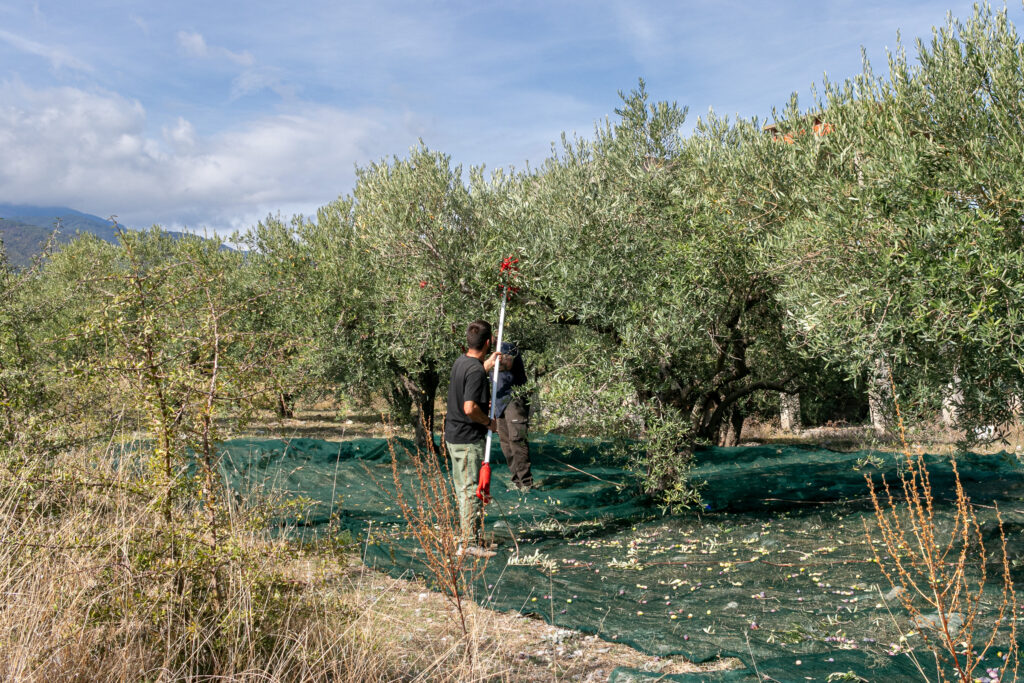
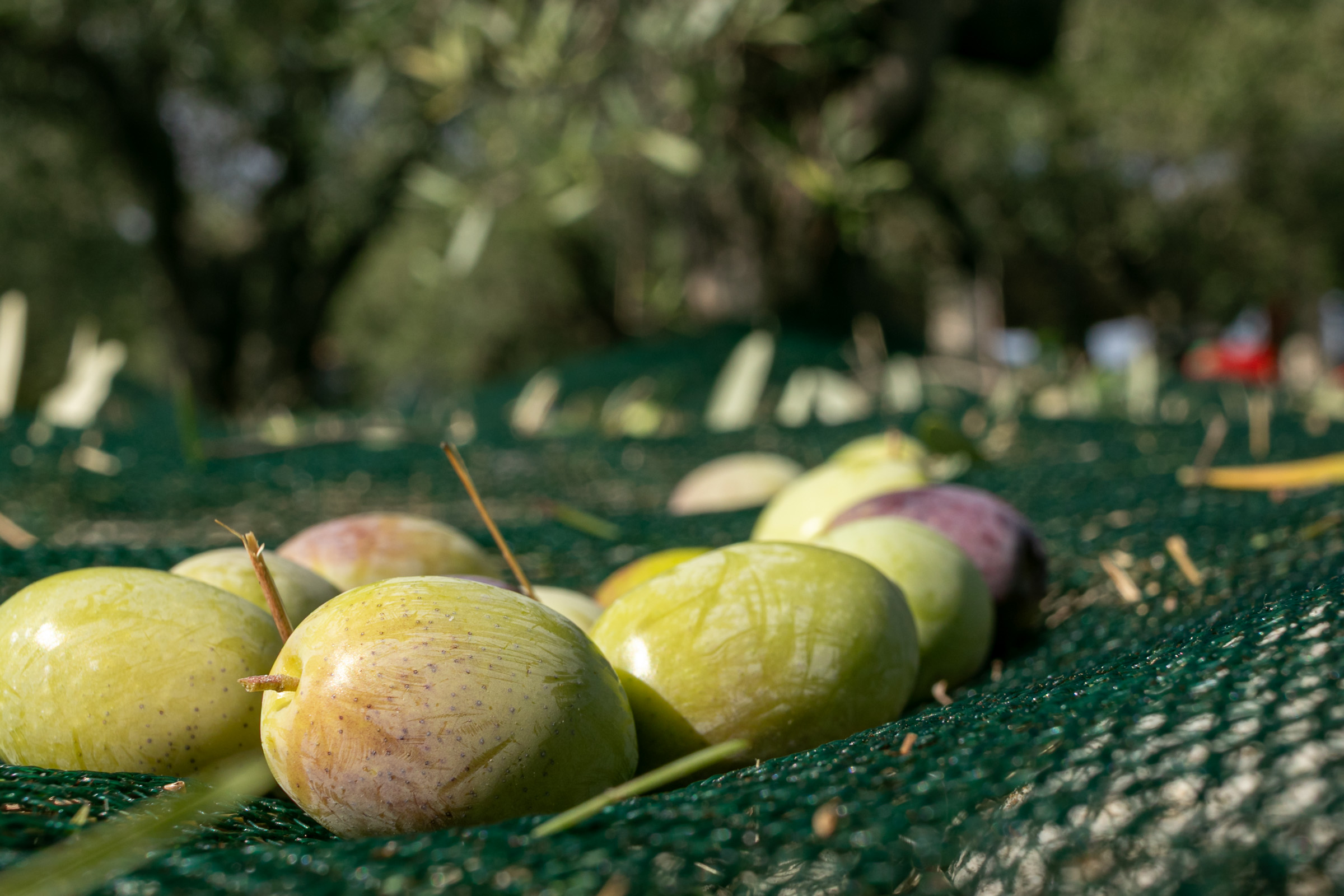
The first thing I noticed was the work already underway. The workers were using specialised harvesting rakes to comb through the branches, allowing the olives to fall onto the nets spread beneath the trees. Another, longer tool helped them reach higher branches.
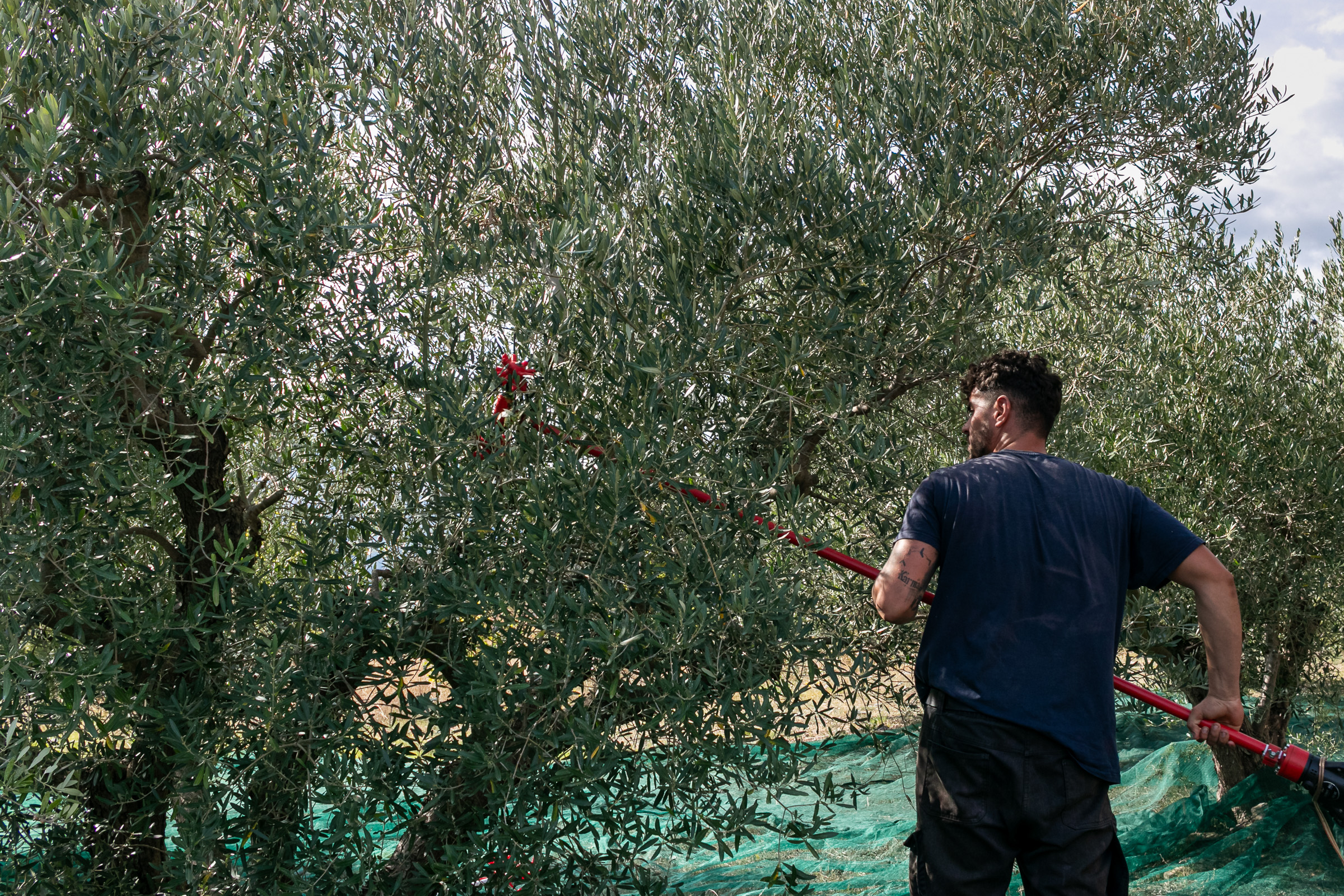
It was a practical, hands-on process. The branches were worked carefully, the olives fell onto the nets and the collected fruit was gathered into crates for transport.
What also caught my attention was the atmosphere. The workers joked with one another, smiled and seemed to cooperate naturally. There was work to finish, but the mood was pleasant. It felt like a team that knew its routine.
By around 12:30, the harvest was drawing to a close for the day. The crates were full and ready to be taken to the olive oil mill.
Giorgos explained that Forelia’s harvesting approach prioritises quality rather than simply maximising quantity. That approach influences the timing of the harvest and the selection of the olives. The aim is not merely to collect as much fruit as possible, but to make considered decisions about the crop and the oil they want to produce.
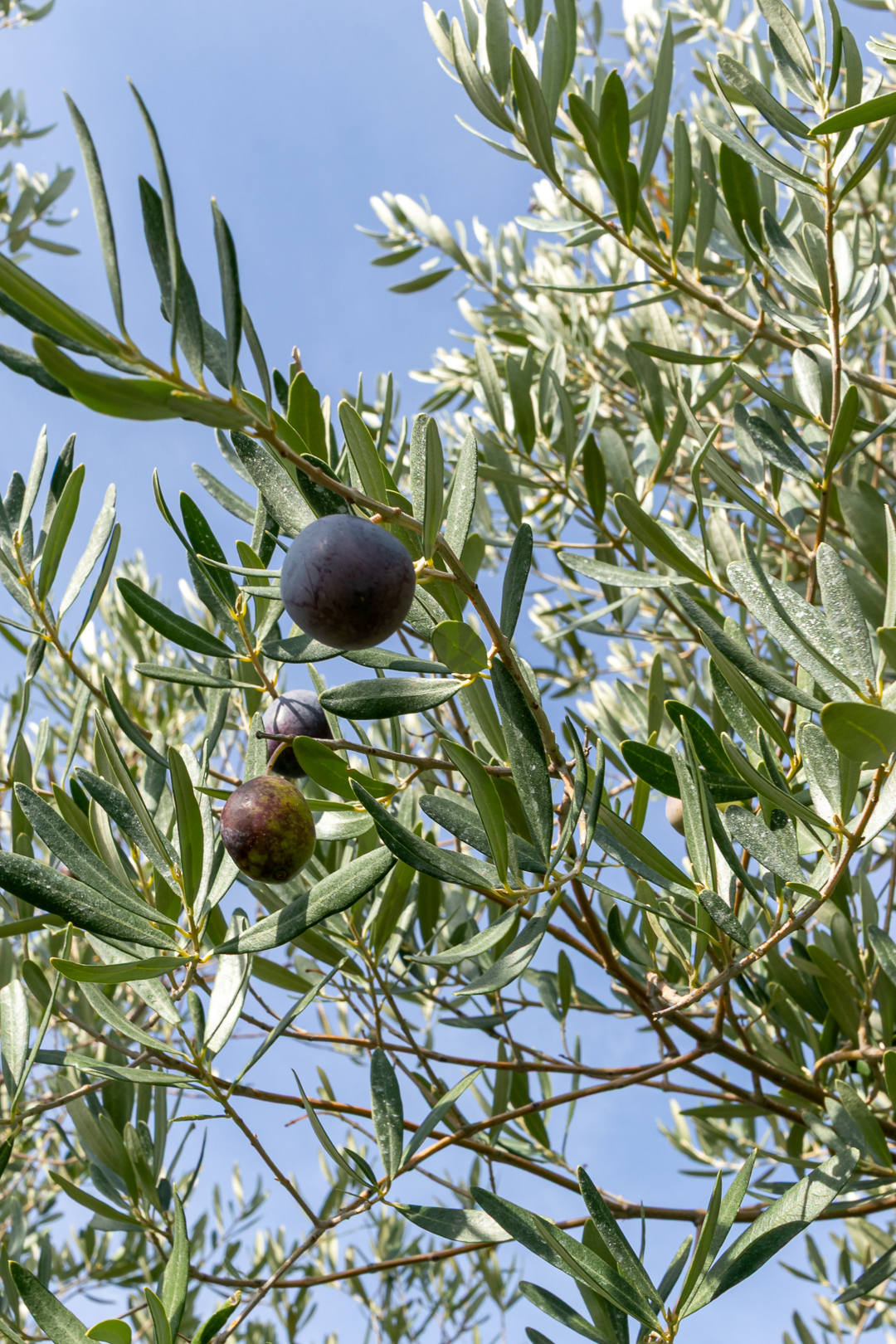
It is easy to look at an olive tree and think of the harvest as a simple seasonal activity. Standing among the workers, however, you begin to notice the many decisions and the steady effort involved in bringing the fruit from the branches to the mill.
The People Behind Forelia and 2 Roots
I have a great deal of respect for people who work the land. Farming demands time, physical effort, experience and careful decisions, often under conditions that are not entirely within a farmer’s control.
At Forelia, I met Kostas Kapsalis and Giorgos Kosmas, the two partners behind the business and the 2 Roots olive oil brand. Their connection with olive oil goes beyond production. Both grew up with olive oil as part of everyday family life, where it meant more than an ingredient on the table. It was also a connection to tradition, family and the land.
The idea behind 2 Roots brings these shared values together. Two different life journeys, a friendship and a common respect for the olive tree became the foundation of a brand built around their shared passion for olive oil.
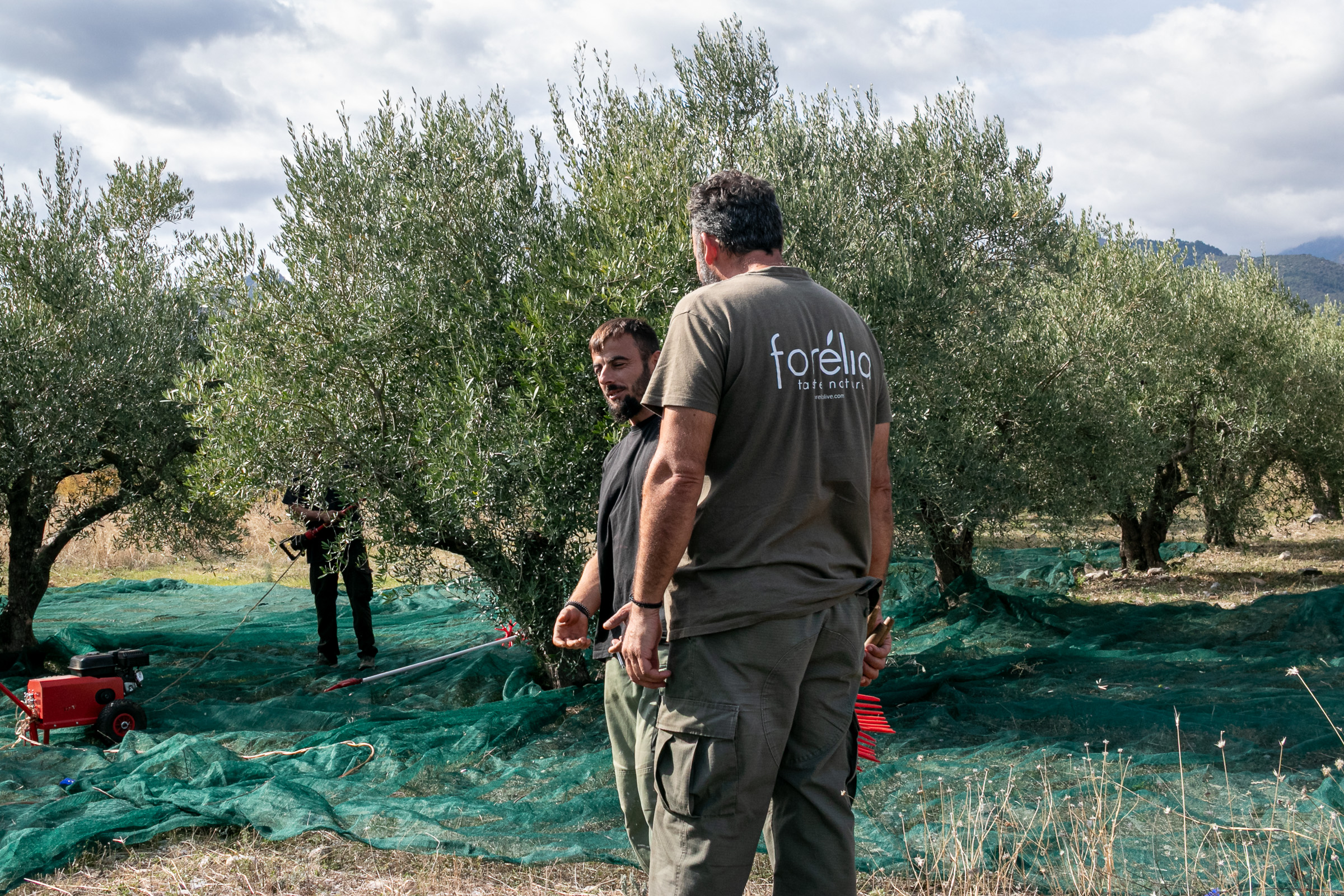
During the harvest, I saw the practical side of that connection: the work in the grove, the cooperation between the people involved and the crates being prepared for the mill. It was a useful reminder that the story behind a bottle of olive oil begins long before the finished product reaches the table.
From the Grove to the Olive Oil Mill
When the work in the grove was finished, we returned to the Forelia estate. Kostas had just completed a tour with a group of German visitors. They were happy to see him, and they purchased olive oil before we set off for the mill.
The harvested olives were heading to the Doulkas olive oil mill in Plaka, the coastal area below Litochoro.
When we arrived, there were already several farmers waiting their turn. Their pickup trucks, loaded with crates, stood in line as each waited to unload the harvest and have it processed.
It was a busy scene, with people coming and going, vehicles waiting and the day’s work continuing beyond the olive grove itself.
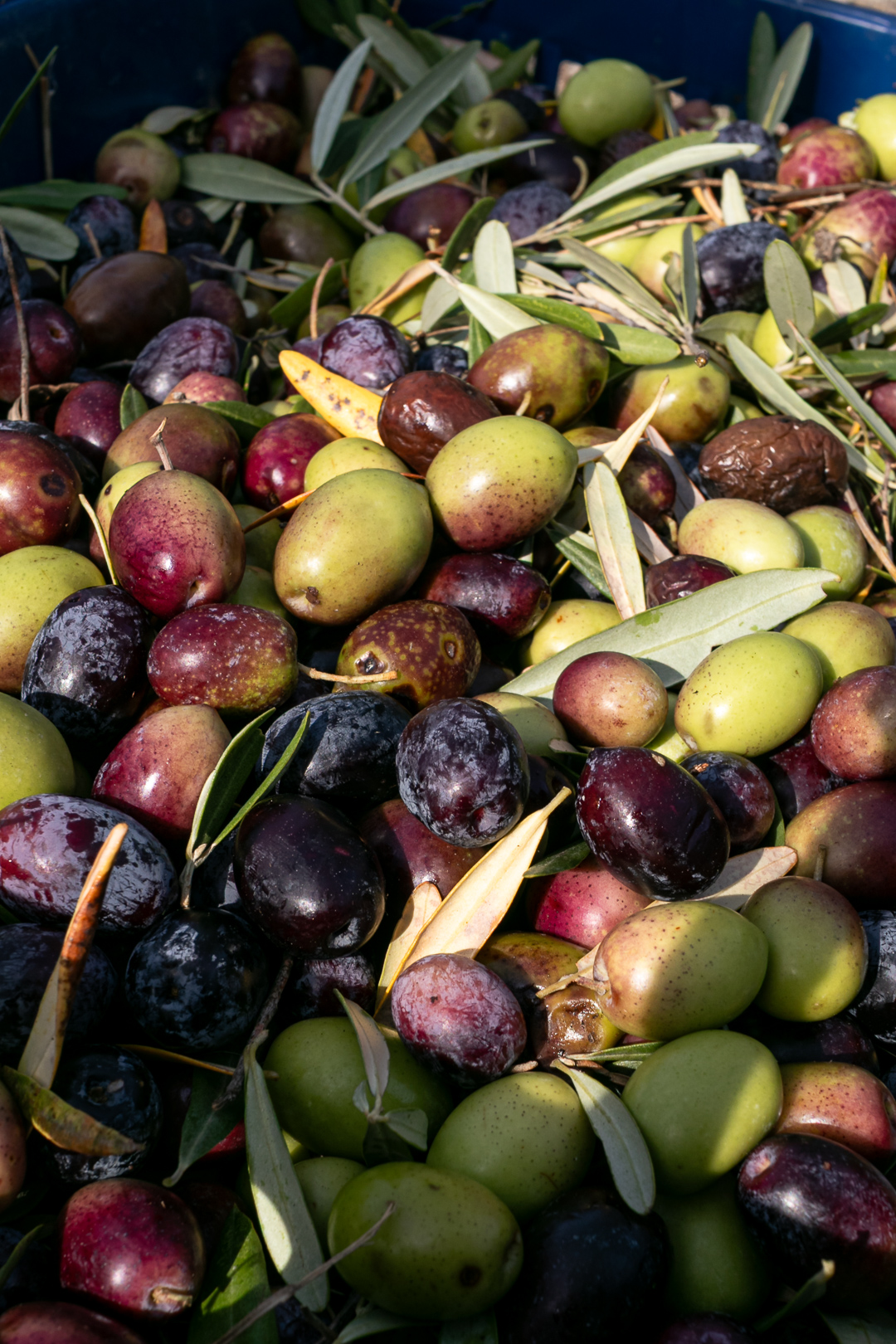
At the mill, the process begins with the olives being unloaded and carried into the production area. From there, they pass through the necessary stages before the oil is extracted.
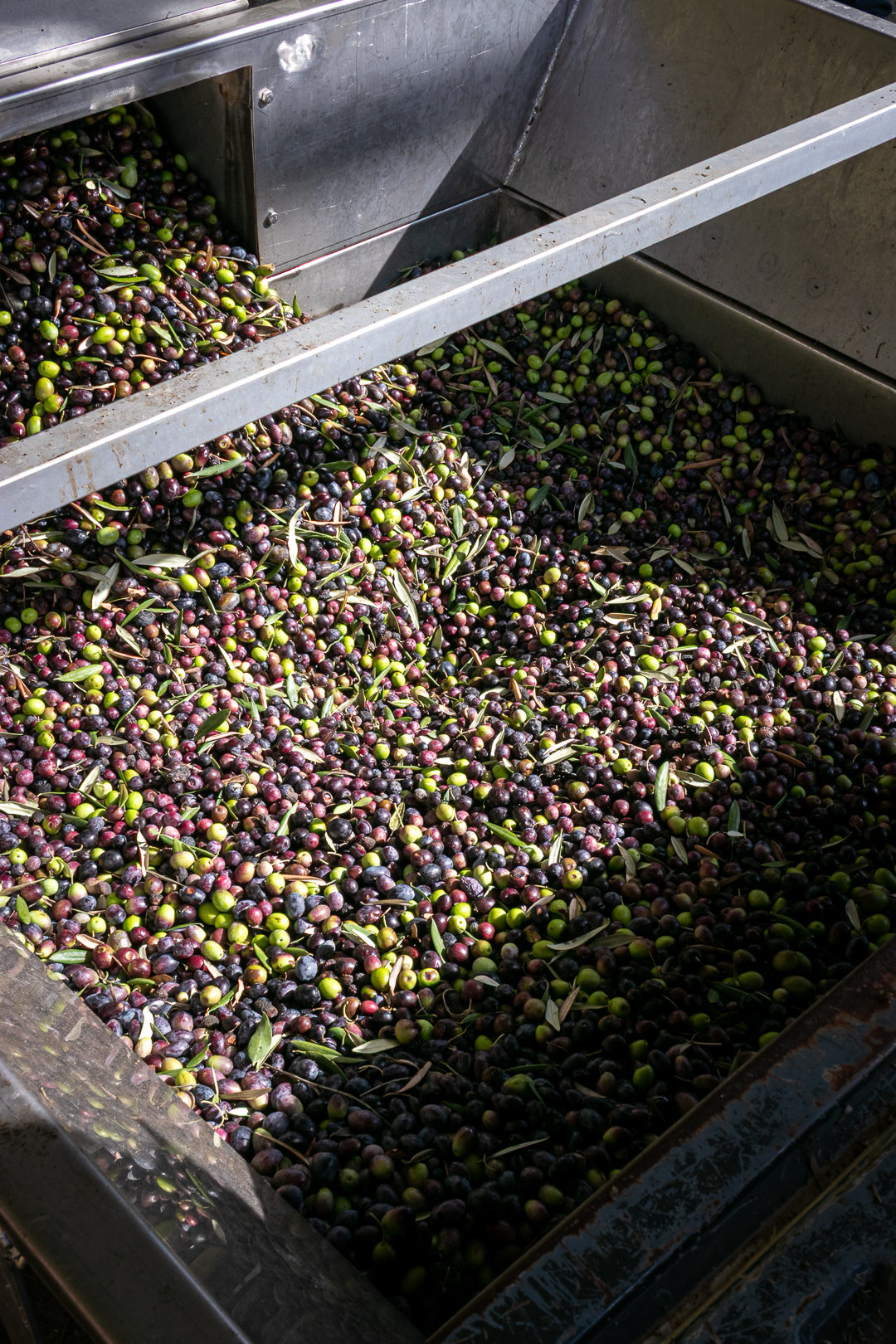
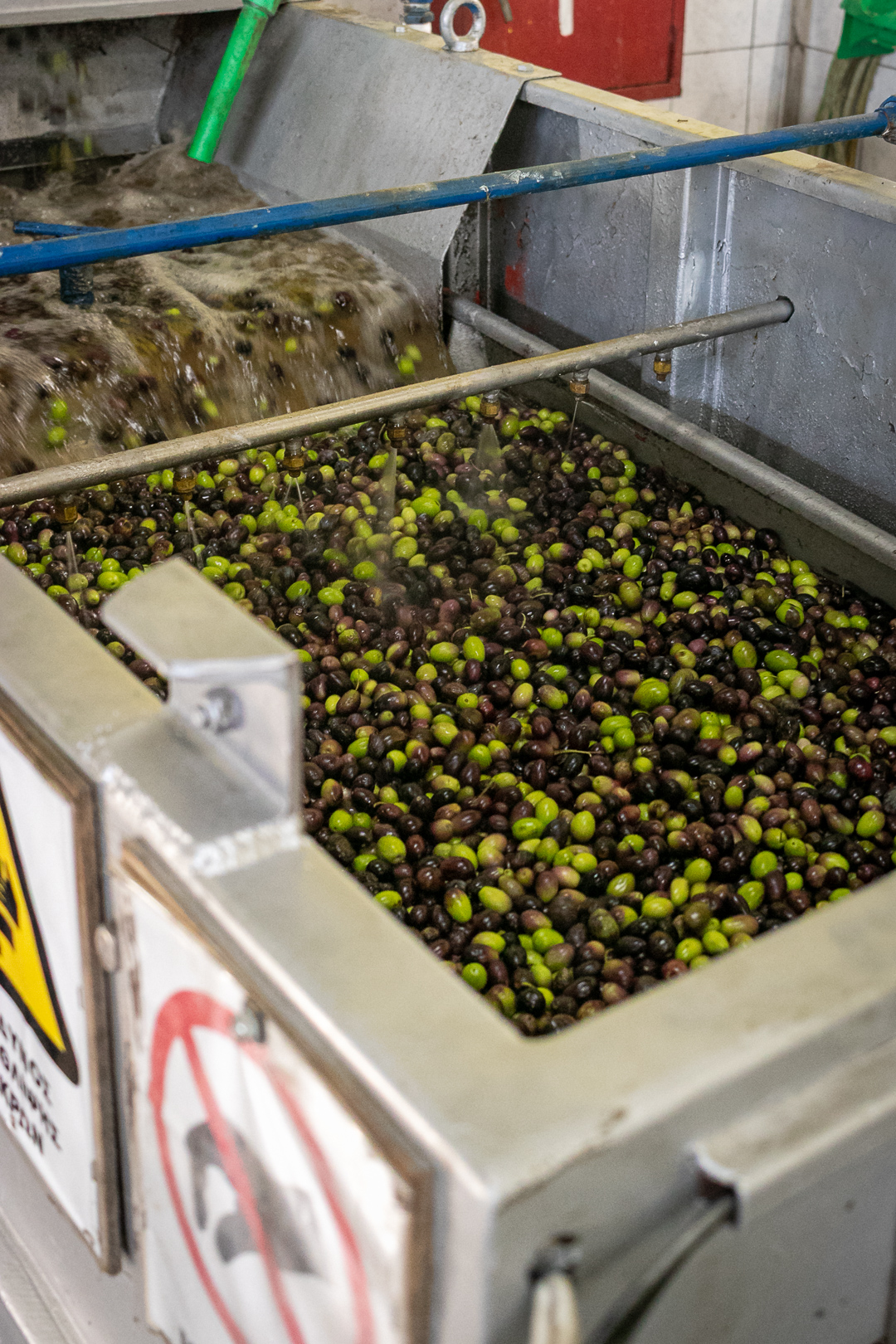
One important stage is malaxation. Inside the malaxer, the freshly crushed olives form a paste that is slowly mixed, allowing tiny droplets of oil to combine before the oil is separated from the rest of the olive paste.
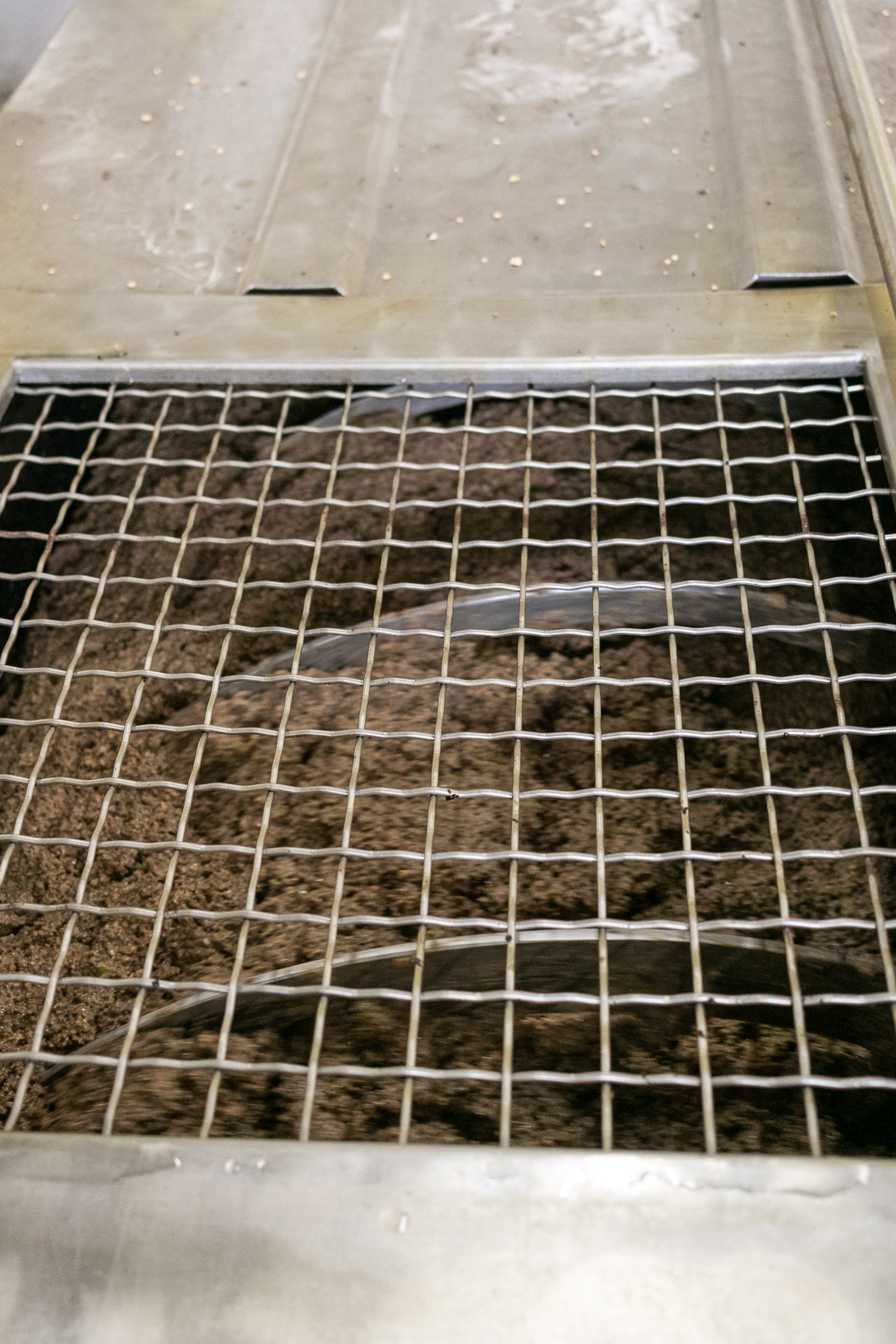
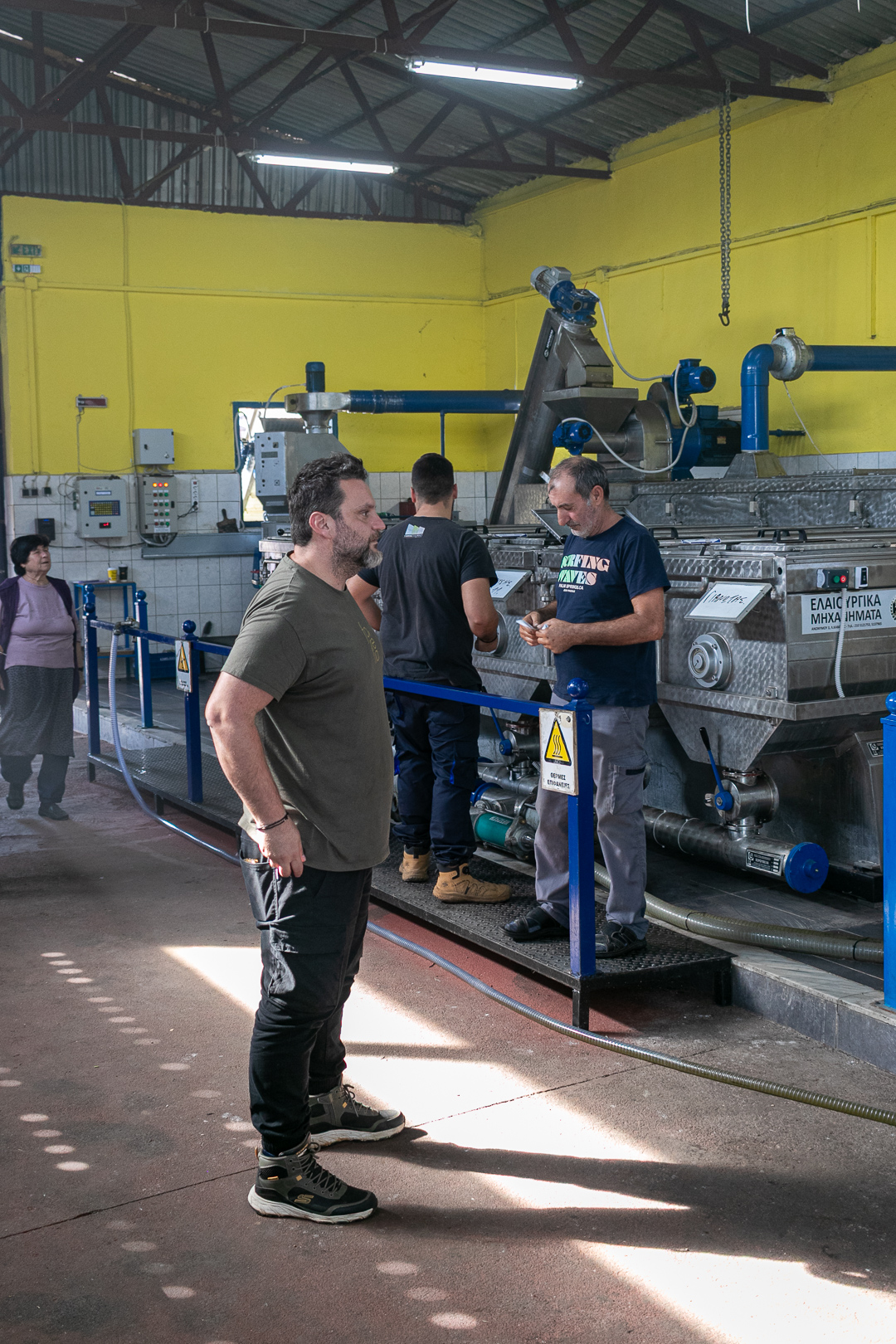
Seeing the machinery and speaking with the people behind the process makes the transformation easier to understand. What began as fruit hanging from the branches now moves through a series of stages designed to extract the oil.
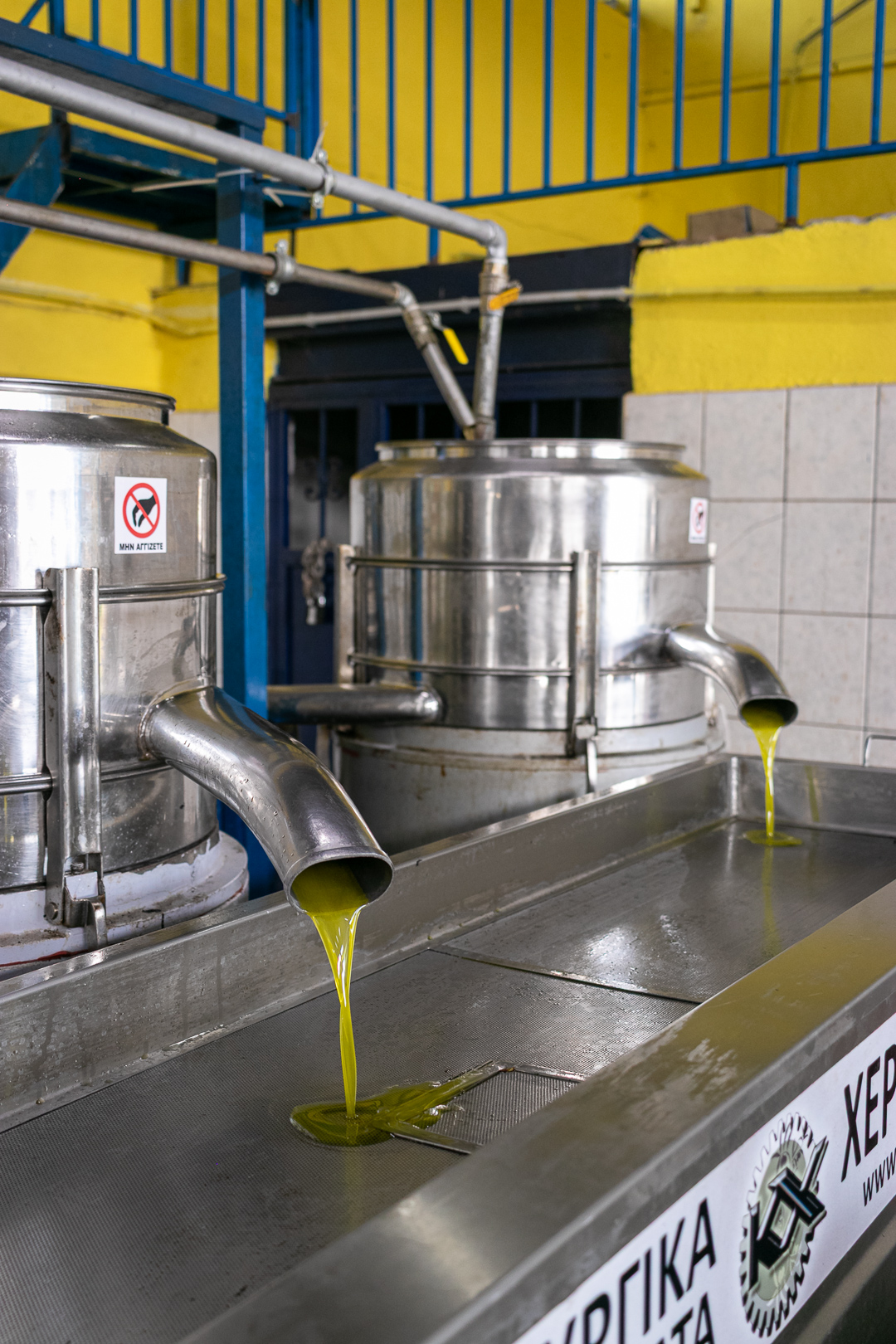
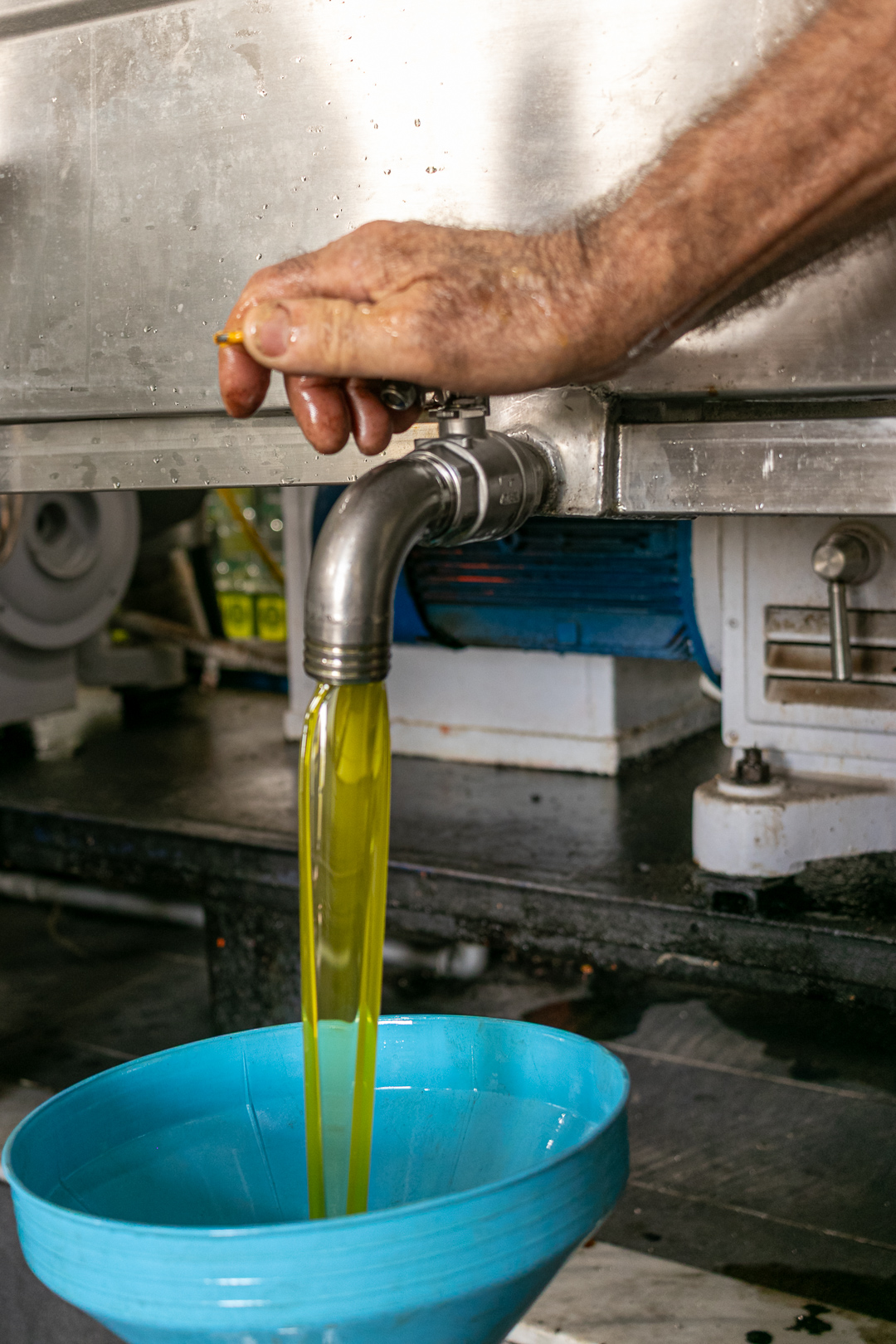
Watch the Olive Harvest & Oil-Making Process
From freshly harvested olives to the olive oil mill, watch a short glimpse of the process at Forelia in Leptokarya, beneath Mount Olympus.
2 Roots: Two Stories, One Shared Passion
The olive oil produced by Forelia is also presented under the 2 Roots brand, a name that reflects the partnership between Kostas Kapsalis and Giorgos Kosmas.
The idea is simple: two people with their own journeys, brought together by friendship and a shared appreciation for the olive tree. Their connection with olive oil began at the family table, where it was part of everyday life, food and tradition. With 2 Roots, those experiences come together in a product that reflects their common purpose.
Forelia describes its extra virgin olive oil as cold-extracted, with a balanced profile of fruity aromas and a slightly peppery character. The aim is to preserve the natural qualities of the olive fruit and produce an oil that can be enjoyed in everyday cooking as well as in simpler ways, such as with fresh bread, salads or grilled vegetables.
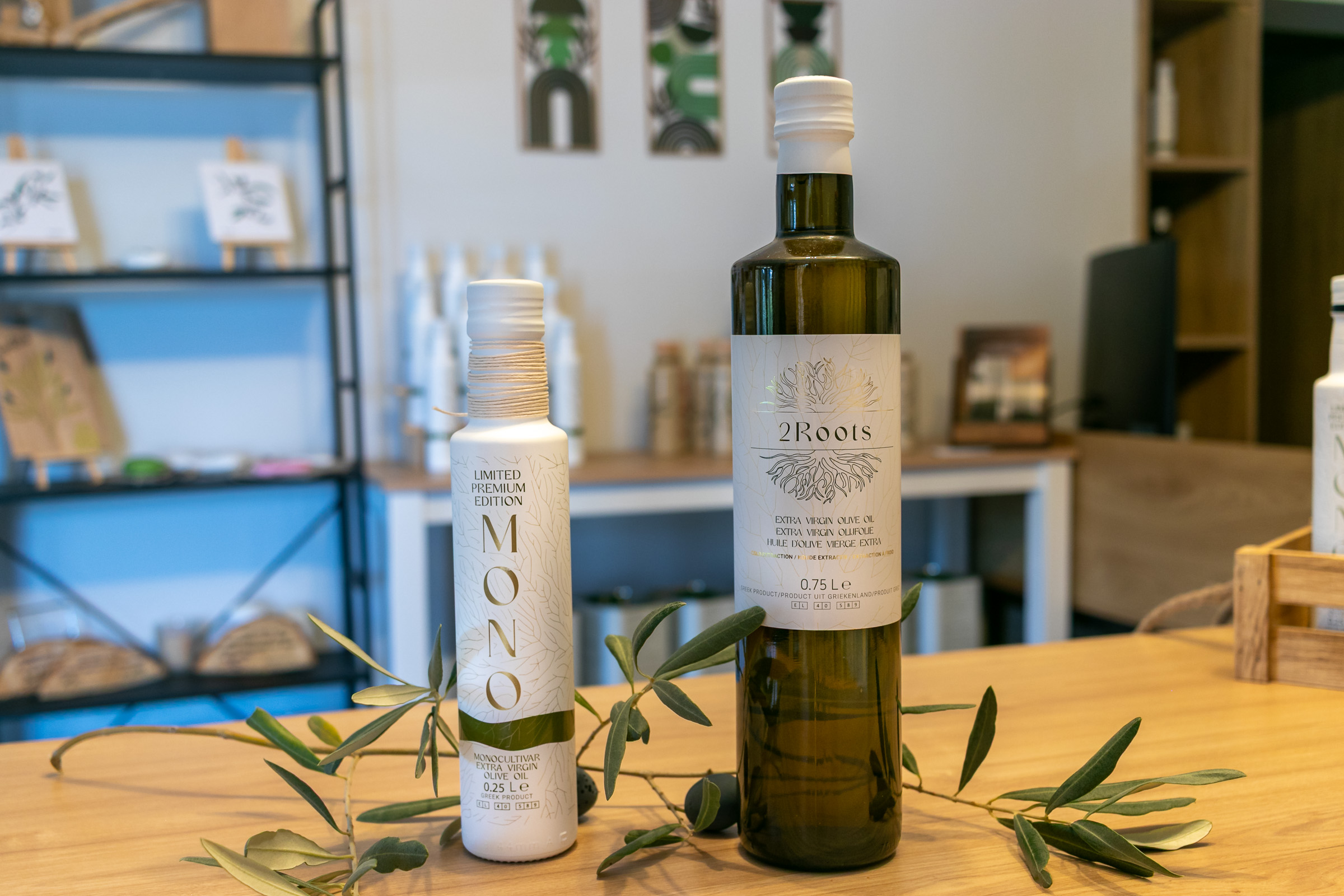
After seeing the harvest and visiting the mill, I found it natural to think about the journey beyond production: how the olives are selected, how the oil is made and how it eventually becomes part of someone’s meal. The finished bottle is only one part of that story.
The Golden Harvest Beneath Mount Olympus
The mill, like the grove, sits within the wider landscape of Mount Olympus. From Plaka, the mountain rises above the coastal plain, reminding you how closely the different landscapes of Pieria sit together.
That day, the colours of autumn were beginning to appear on Olympus. The mountain had started taking on warm orange tones, creating a beautiful backdrop to a very practical activity: farmers bringing in their harvest.
As I watched the oil flow from the machinery, I thought of olive oil as a kind of gold of the earth. Not simply because of its colour or value, but because of the place it has held in Greek life for centuries.
The olive tree is deeply rooted in Greek history and mythology. In the ancient story of the contest between Athena and Poseidon for the patronage of Athens, Athena’s gift was the olive tree — a symbol of peace, prosperity and practical value. Its fruit and oil have served people in many ways across generations.
It is a remarkable thought: the same tree that belongs to the ancient stories of this land is still part of everyday life, still being harvested with tools and care, still providing a product that travels from local groves to family tables.
And there, at the mill, the farmers were waiting for their turn, talking, smiling and watching the result of their labour being collected. The atmosphere was not solemn or dramatic. It was human, familiar and full of life.
Perhaps that is what I appreciated most. The work was demanding, but there was also satisfaction in seeing the harvest come together.
Discover Forelia Beyond the Harvest
The olive harvest offers one way to understand the work behind olive oil. For visitors to Pieria, Forelia also offers an opportunity to explore the olive grove and learn more about the journey from tree to table.
A visit can include a guided walk among the olive trees, an introduction to olive cultivation and olive oil production, and a guided tasting designed to explore the aromas, flavours and characteristics of extra virgin olive oil. Forelia’s olive tourism experiences also connect the olive tree with Greek history, mythology and food culture. Local accompaniments can help visitors experience how olive oil is enjoyed as part of Greek gastronomy.
Forelia also offers an olive tree ownership programme, with options to own a mature tree already growing in the grove or have a young tree planted in your name. It is a different way to maintain a personal connection with the landscape and the tradition of olive growing. Contact Forelia directly for the current programme details and conditions.
If you would like to learn more about visiting, explore the Forelia Olive Oil Tasting & Grove Experience on Experience Pieria and contact the business in advance to confirm availability and arrange your visit.
Why Meeting Local Producers Matters
For me, stories like this are at the heart of Experience Pieria.
A destination is not defined only by its famous landmarks, its beaches or its mountain trails. It is also defined by the people who live and work there, by the products they make, by the food they share and by the traditions that continue in ordinary places, often away from the main tourist routes.
When we discover a local product first-hand, we gain more than information about what is inside a bottle or a package. We gain a connection with the place it comes from.
This does not mean that every producer’s story is the same, or that every product should be treated as exceptional simply because it is local. It means taking the time to discover, ask questions, understand the work and make informed choices.
My visit to Forelia’s olive grove was an opportunity to do exactly that. I had already tasted their olive oil during a previous visit. This time, I saw part of the process behind it, met the two partners involved and followed the harvest from the trees to the mill.
That is a different kind of appreciation — one built on experience rather than packaging or promises.
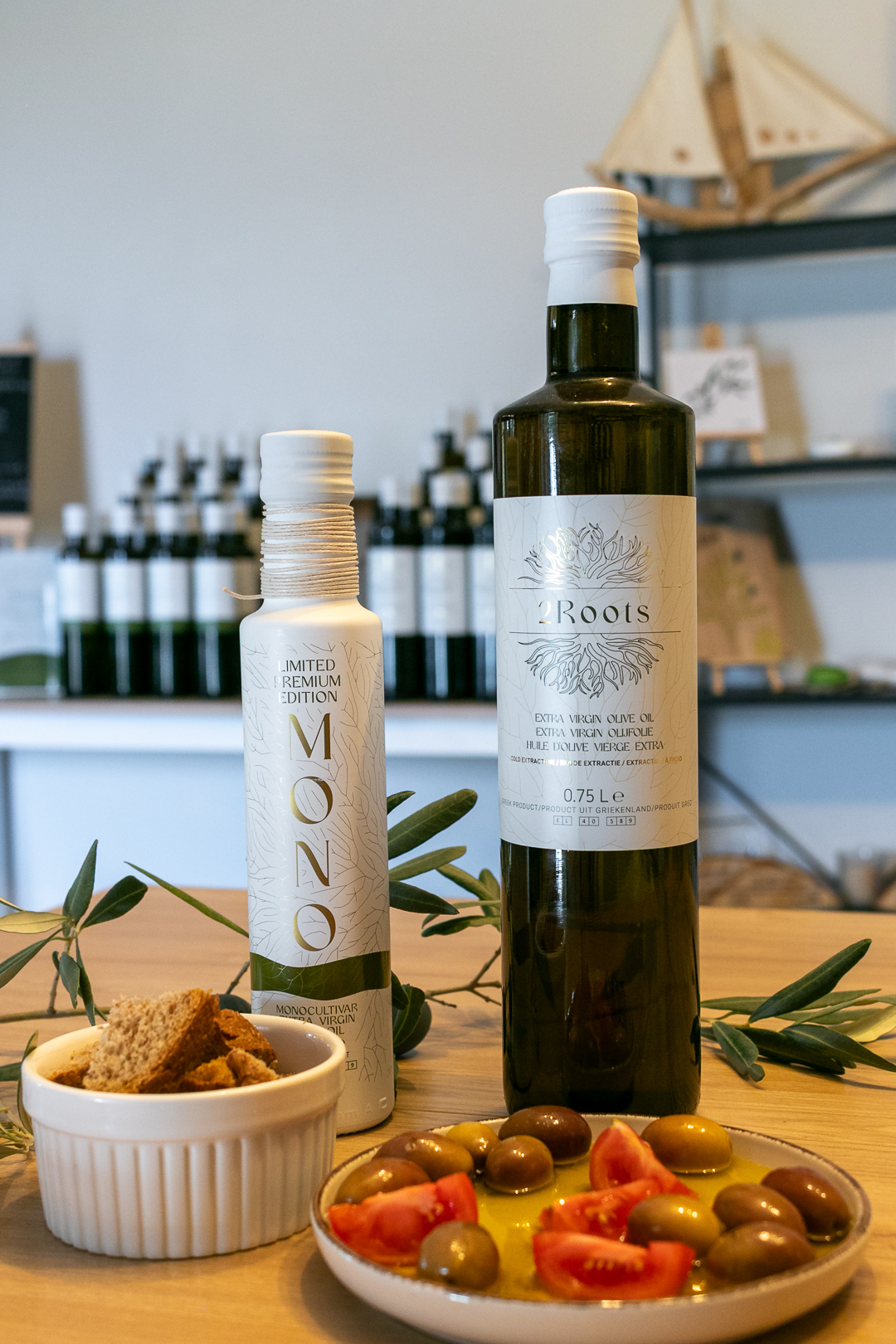
For anyone visiting Pieria, discovering its gastronomy can be a way of understanding the region beyond its landscapes. And for those of us who live here, it is a reminder to keep looking closely at the people and places that make this area what it is.
My thanks to Kostas Kapsalis and Giorgos Kosmas for making this visit possible and giving me the opportunity to experience the olive harvest first-hand.
Discover Pieria Differently
Explore forest trails, coastal villages, local food and quieter corners of the region through authentic stories and practical guides from Experience Pieria.
Explore Experience Pieria and discover more stories about the places, people and flavours that make this region distinctive.
Yorgos Gizelis
Travel Writer & Founder of Experience Pieria
Exploring Pieria & Greece one story at a time — authentic places, real moments and meaningful experiences.
