
Description
The Louloudies Episcopal Complex is an important Early Byzantine archaeological site near Makrygialos and Kitros in northern Pieria, Greece. Dating mainly to the late 5th and 6th centuries AD, this fortified complex reveals how religious authority, administration and economic activity came together in the region during Late Antiquity.
A Fortified Episcopal Complex
Covering an area of approximately 80 × 90 metres, the complex was originally enclosed by defensive walls with four corner towers. Inside stood a three-aisled Early Christian basilica, an episcopal residence and surrounding porticoes.
The site is generally interpreted as having served as the seat of the Bishop of Pydna, probably established around AD 479. This interpretation connects the complex with a period of political upheaval in Macedonia, although the precise historical circumstances remain a subject of archaeological research.
The episcopal residence was built over the remains of a Roman bath dating to the 2nd century AD. Excavations have revealed different phases of occupation, including earlier buildings, architectural fragments and mosaic floors that reflect the development of the site over several centuries.
What Can You See at Louloudies?
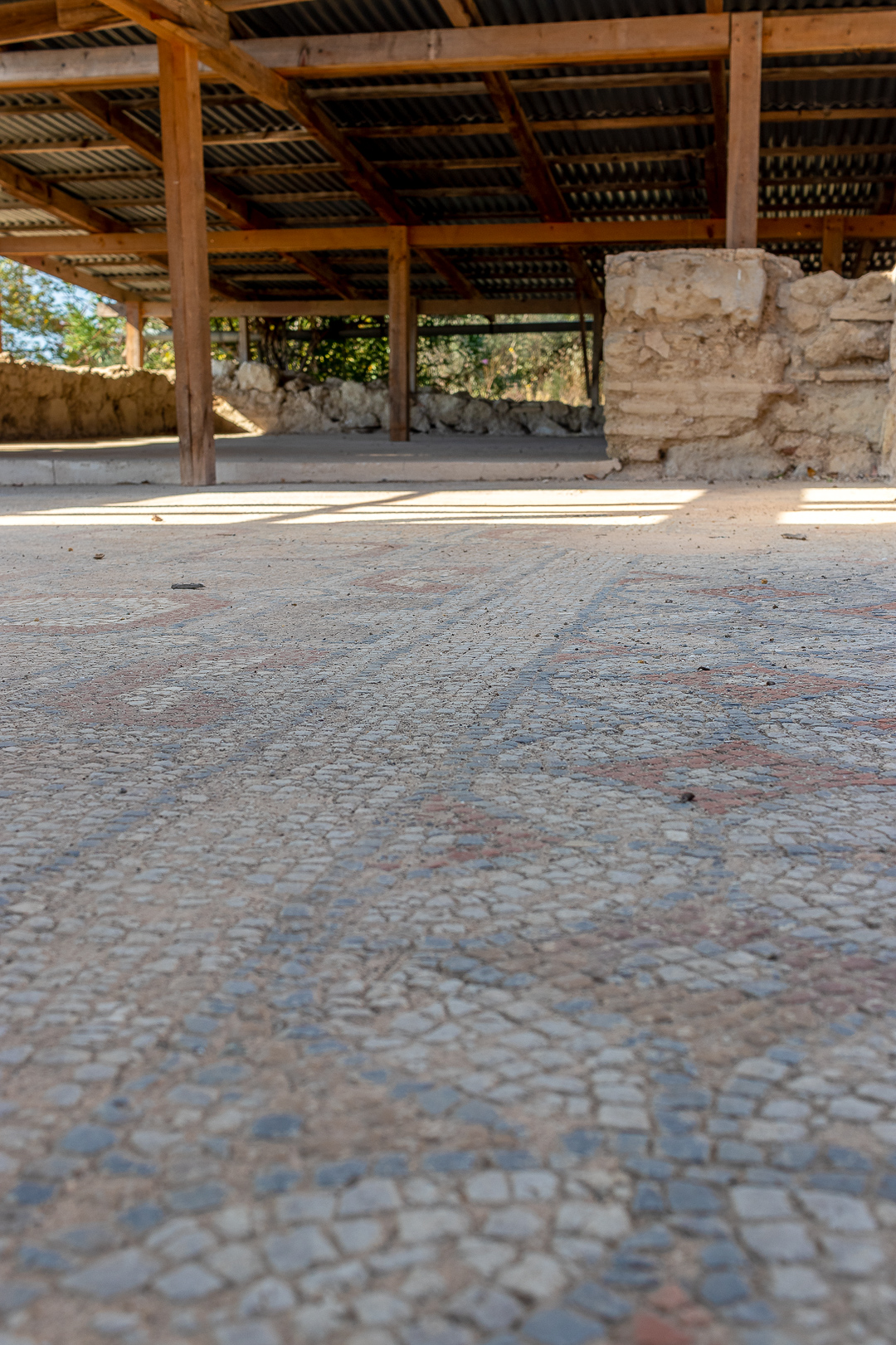
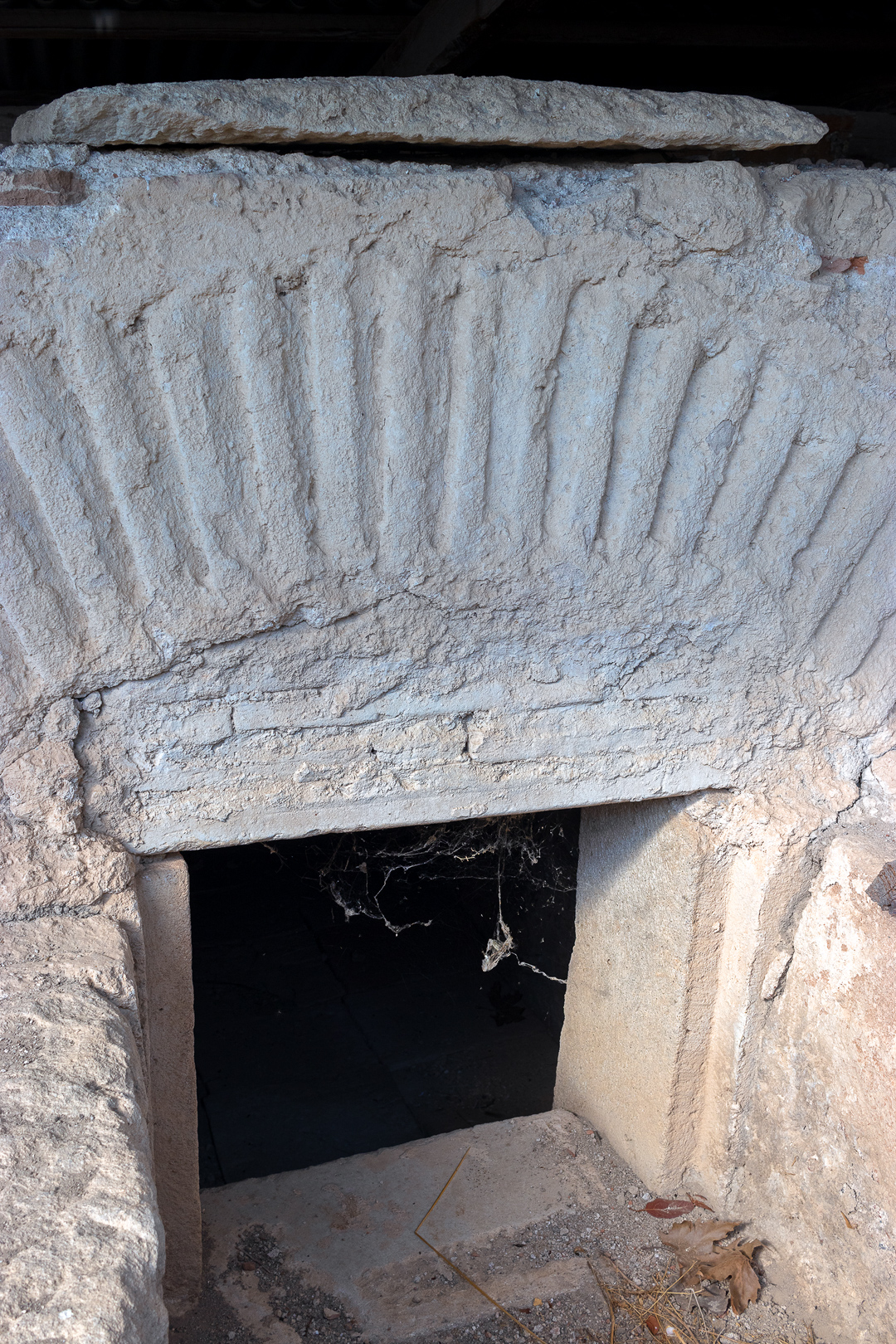
The surviving remains offer a glimpse into the architecture and daily life of an Early Byzantine settlement. Highlights include sections of the fortification walls and towers, the remains of the basilica and episcopal buildings, mosaic floors, tombs and wells.
Archaeological investigations have also identified workshops and production facilities associated with wine and olive oil, pottery, glassmaking and metalworking. These discoveries suggest that Louloudies was more than a religious centre: it was also a place of organised economic activity.
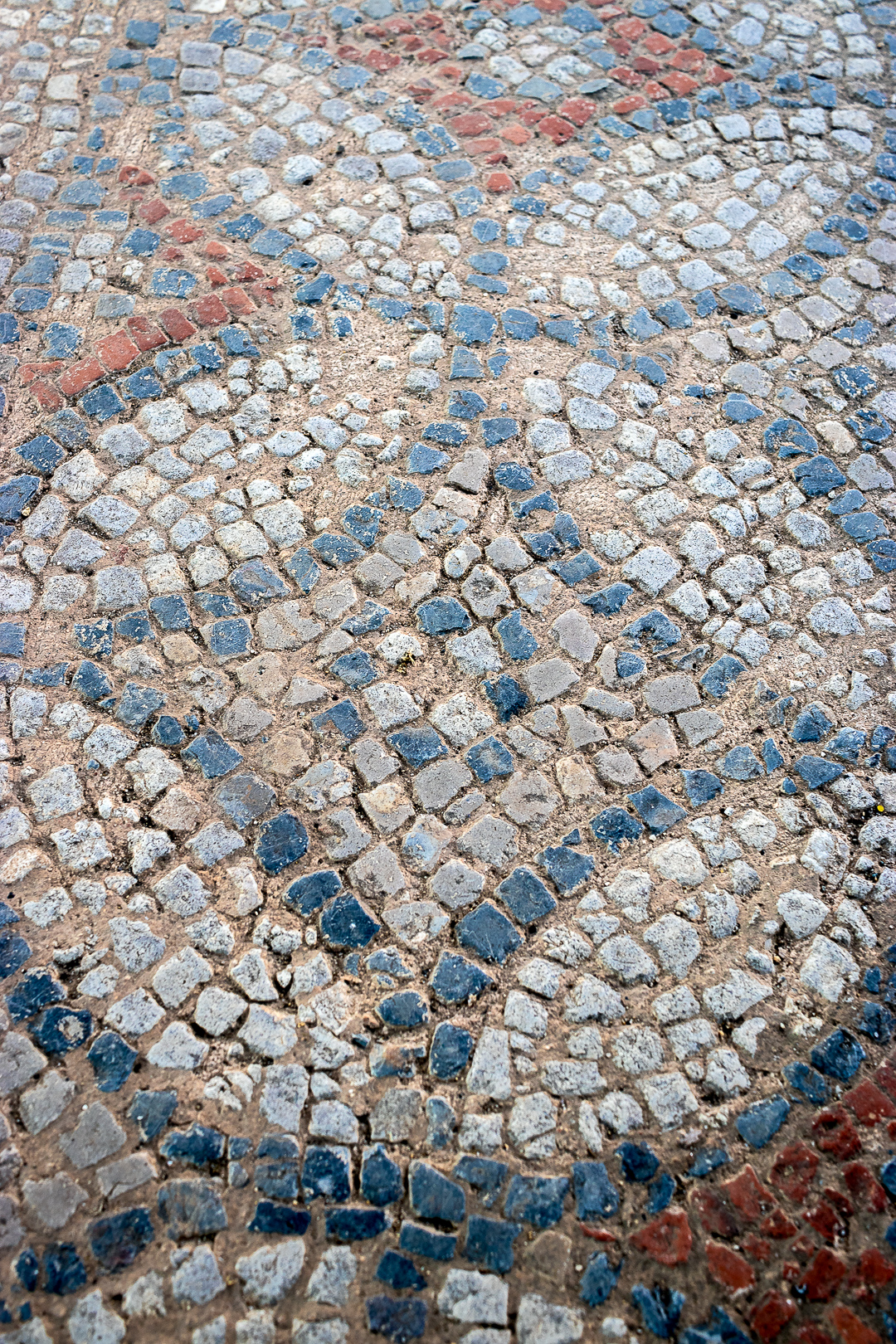
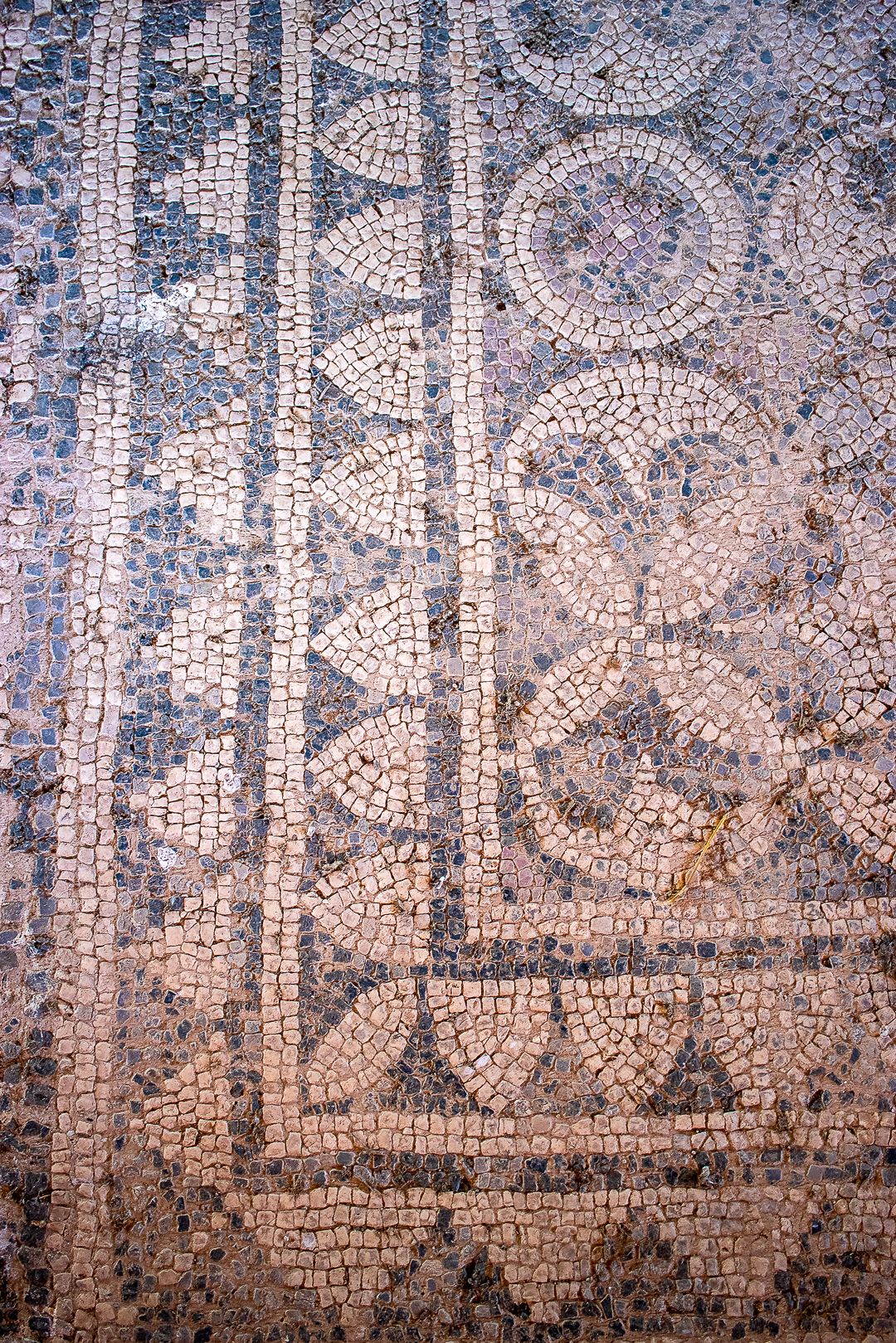
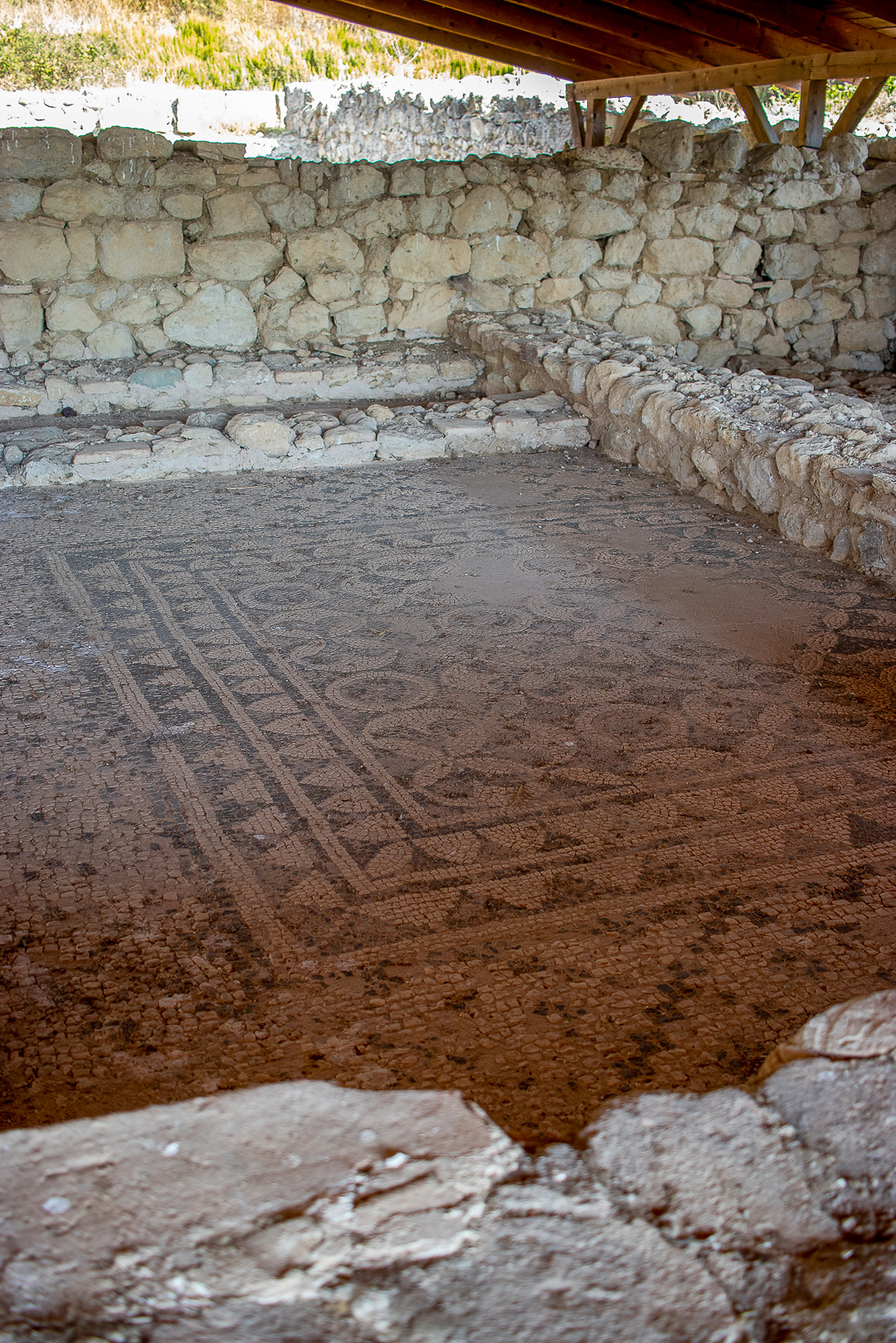
Among the most distinctive features are the surviving mosaic floors, whose geometric patterns provide a closer look at the decorative details of the complex. The combination of religious buildings, fortifications and production areas helps archaeologists reconstruct how the settlement functioned.
From Late Antiquity to Byzantine Kitros
The complex changed during the 6th century AD, including during the reign of Emperor Justinian, when additional storage and production areas were developed and its original fortified character appears to have diminished.
The site suffered major destruction around the middle of the 6th century AD, commonly associated with an earthquake and fire. Its subsequent history reflects the wider changes that transformed the settlements of Macedonia during the transition from Late Antiquity to the Byzantine period.
Louloudies belongs to the wider historical landscape of ancient Pydna. The Battle of Pydna in 168 BC, which resulted in the defeat of the Macedonian king Perseus by the Romans, is an important earlier chapter in the history of this region. In later centuries, Byzantine Pydna became known as Kitros and developed into a significant centre of medieval Pieria.
Why Visit the Louloudies Episcopal Complex?
For travellers interested in archaeology, Early Christian architecture and Byzantine history, Louloudies offers an opportunity to discover a lesser-known part of Pieria’s cultural heritage. Its fortifications, basilica, mosaic floors and traces of workshops reveal how religious life, administration and local production once coexisted within a single complex.
The site is particularly interesting for visitors exploring the archaeological heritage of northern Pieria and the historical connections between Pydna, Kitros and the wider region.
Visitor Information
Location: Near Makrygialos and Kitros, Pieria, Greece
Type: Early Byzantine archaeological site and fortified episcopal complex
Main period: Late 5th–6th century AD, with evidence of earlier occupation
Highlights: Fortification walls and towers, Early Christian basilica, episcopal residence, mosaic floors, tombs, wells and ancient workshops
Admission: Free
Opening hours published by the Ministry of Culture: Monday–Friday, 08:00–14:30; closed on Saturdays and Sundays
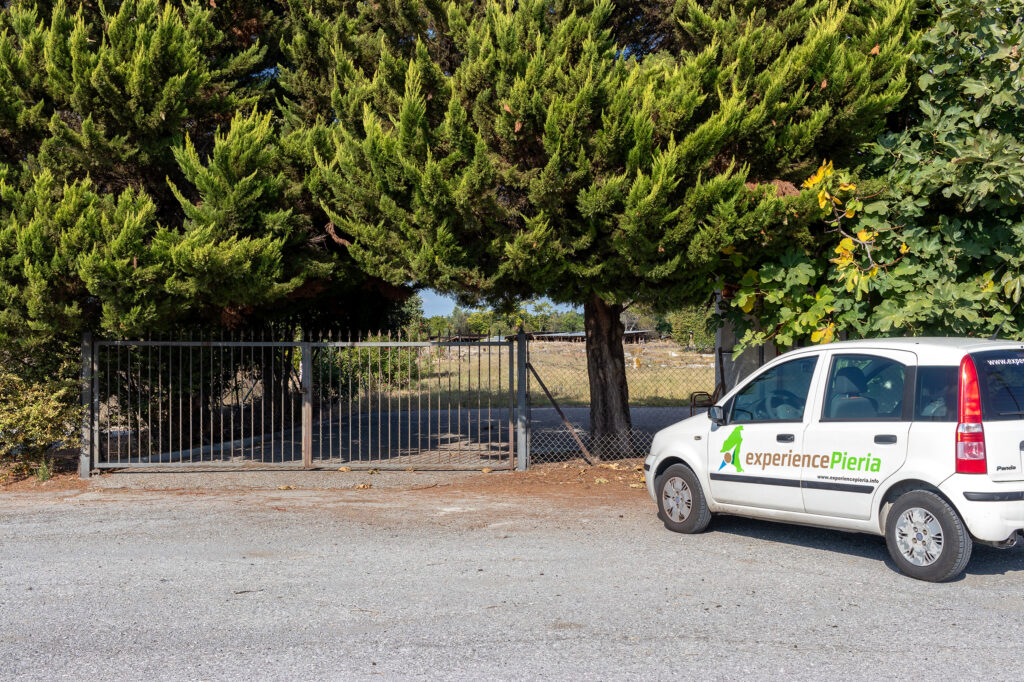
Important: Visits are by prior arrangement with the Ephorate of Antiquities of Pieria. Contact the service before travelling to confirm current access arrangements.
Contact the Ephorate of Antiquities of Pieria
Email: efapie@culture.gr
Telephone: +30 23530 41671, +30 23530 41593, +30 23510 47883
Official information: Ephorate of Antiquities of Pieria — Ministry of Culture
Official archaeological site entry: Louloudies Episcopal Complex — Ministry of Culture
Because access requires prior arrangement and published schedules may change, contact the Ephorate before your visit.
Location
-
8JV2+8C Pydna, Greece


Add a review