
Mount Olympus Day Hikes | Enipeas Gorge & Hiking Guide
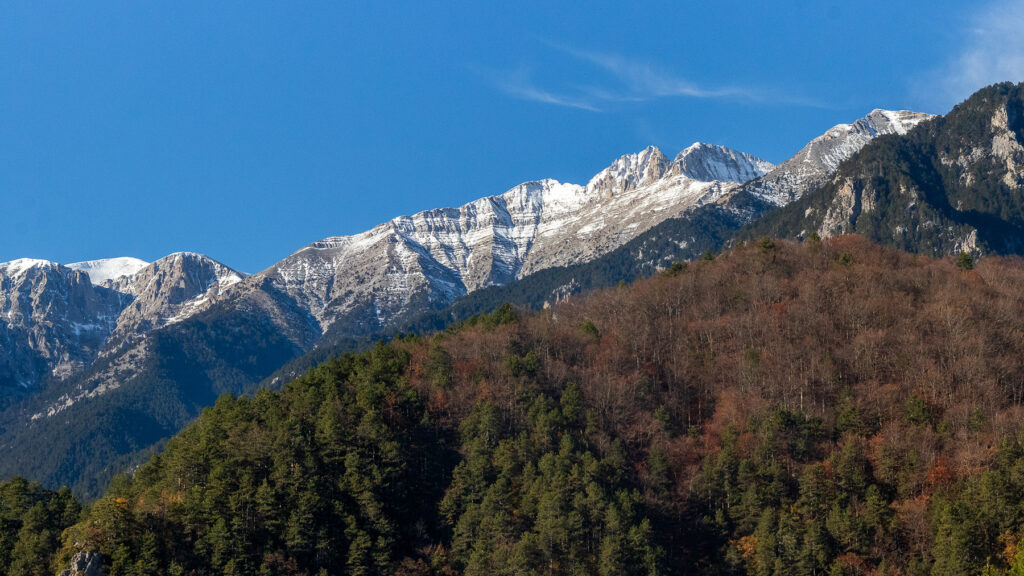
Mount Olympus Day Hikes | Enipeas Gorge, Prionia & Easy Trails
Mount Olympus is one of the most memorable places to explore in Pieria — and you do not need to climb to the summit to experience it.
From Prionia and Litochoro, several hiking routes lead into the mountain through forests, streams, ravines and changing landscapes. Some are suitable for a relaxed day outdoors, while others involve a longer or steeper effort.
This guide brings together three day-hiking options on Mount Olympus, from the Enipeas Gorge and the historic Agios Dionysios Monastery to the higher terrain around Spilios Agapitos Refuge.
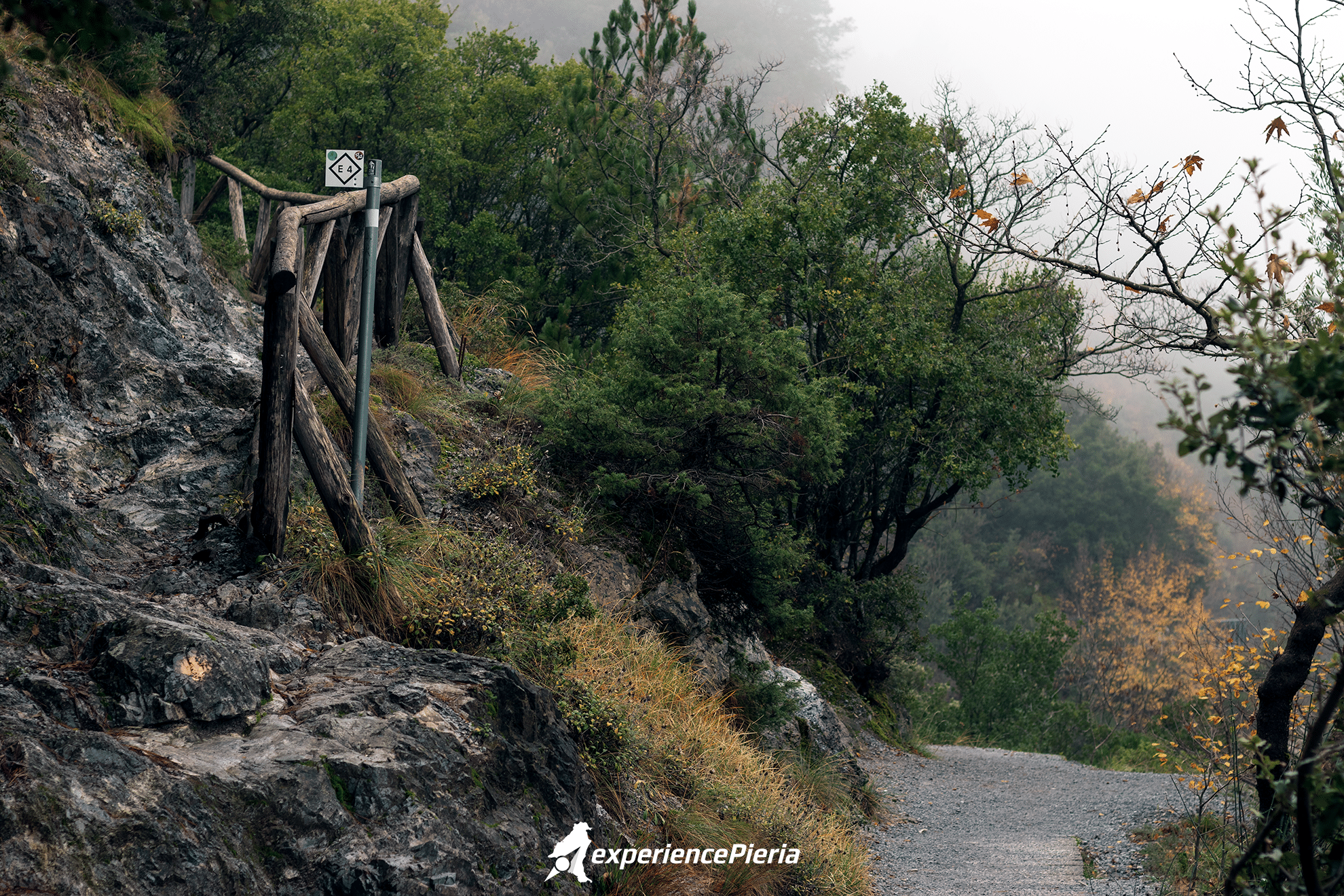
At a Glance
- Destination: Mount Olympus, Pieria, Greece
- Main access points: Litochoro and Prionia
- Routes: Enipeas Gorge, Agios Dionysios Monastery and Spilios Agapitos Refuge
- Best for: Day hikes, nature, forests, waterfalls and mountain scenery
- Difficulty: From relatively gentle walks to moderate mountain hiking
- Important: Weather and trail conditions can change quickly on Olympus
Mount Olympus: Myth, Mountain & Landscape
At 2,918 metres, Mount Olympus is the highest mountain in Greece and is traditionally associated with the home of the Twelve Olympian gods.
But the mountain is much more than its mythology.
Its deep ravines, forests, rocky slopes, caves and streams create a landscape that changes as you gain elevation. Water, geology and altitude shape the character of Olympus, while the forested lower slopes offer a very different experience from the alpine terrain higher up.
You can begin a hike surrounded by trees and the sound of running water and gradually find yourself in a much more open mountain landscape.
If you are interested in the geological story of the area, the Geological Museum in Leptokarya offers additional context about the rocks and geological formations of Mount Olympus.
Three Mount Olympus Day Hikes
Prionia to Litochoro via the E4 Trail
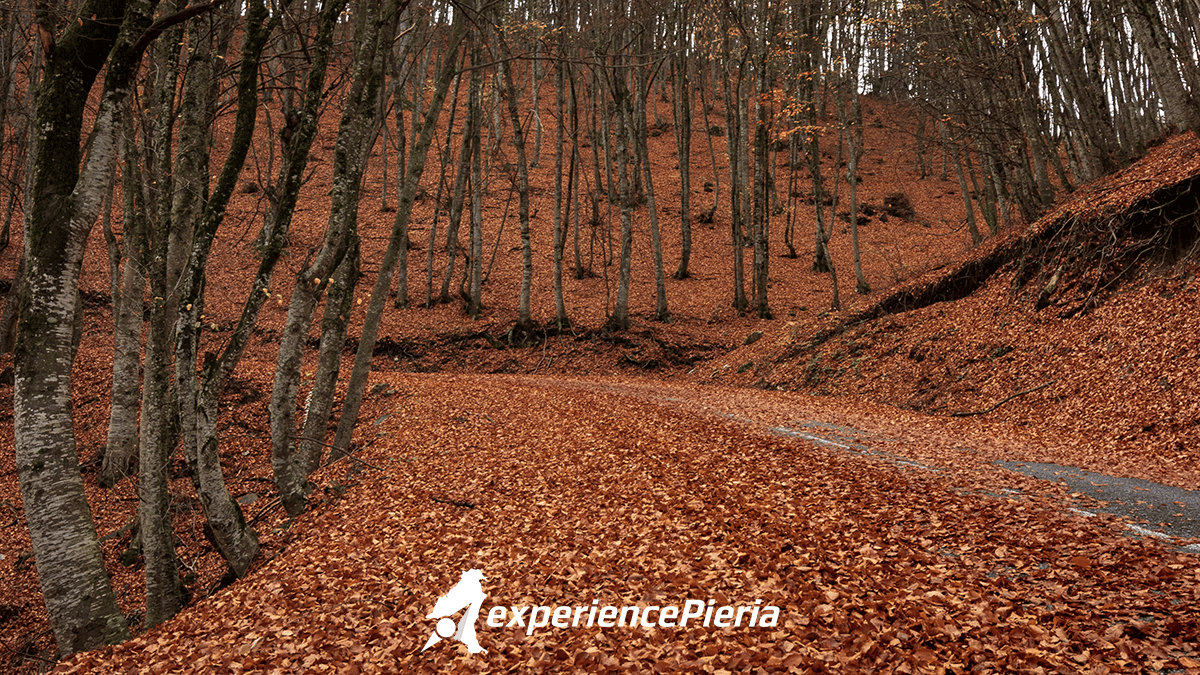
This is one of the best-known ways to experience the lower part of Mount Olympus on foot.
The route follows the E4 trail from Prionia towards Litochoro and is approximately 9 km, taking around 5–6 hours depending on pace and stops.
The trail is mostly downhill and passes through forest and sections of the Enipeas Gorge. Along the way, you encounter streams, wooden bridges and changing views as the landscape gradually opens towards Litochoro.
Despite being mostly downhill, this is not simply an easy walk. The distance, uneven terrain and mountain conditions make it more appropriate for hikers who are comfortable spending several hours on a trail.
Good for: hikers looking for a longer day route and a fuller experience of the Enipeas landscape.
Prionia to Agio Spilaio & Agios Dionysios Monastery
If you are looking for a shorter outing around Prionia, the route towards Agio Spilaio and the old Agios Dionysios Monastery offers a different perspective on Olympus.
The walk described here is approximately 6 km and can take around two hours, depending on the exact route, pace and stops.
The trail follows sections of the E4 and moves through the forest and the Enipeas landscape before reaching the area associated with the old monastery.
The Agios Dionysios Monastery adds an important cultural dimension to the walk, connecting the natural landscape of Olympus with the religious and local history of the mountain.
Good for: visitors who want a shorter mountain outing with both nature and cultural interest.
Prionia to Spilios Agapitos Refuge
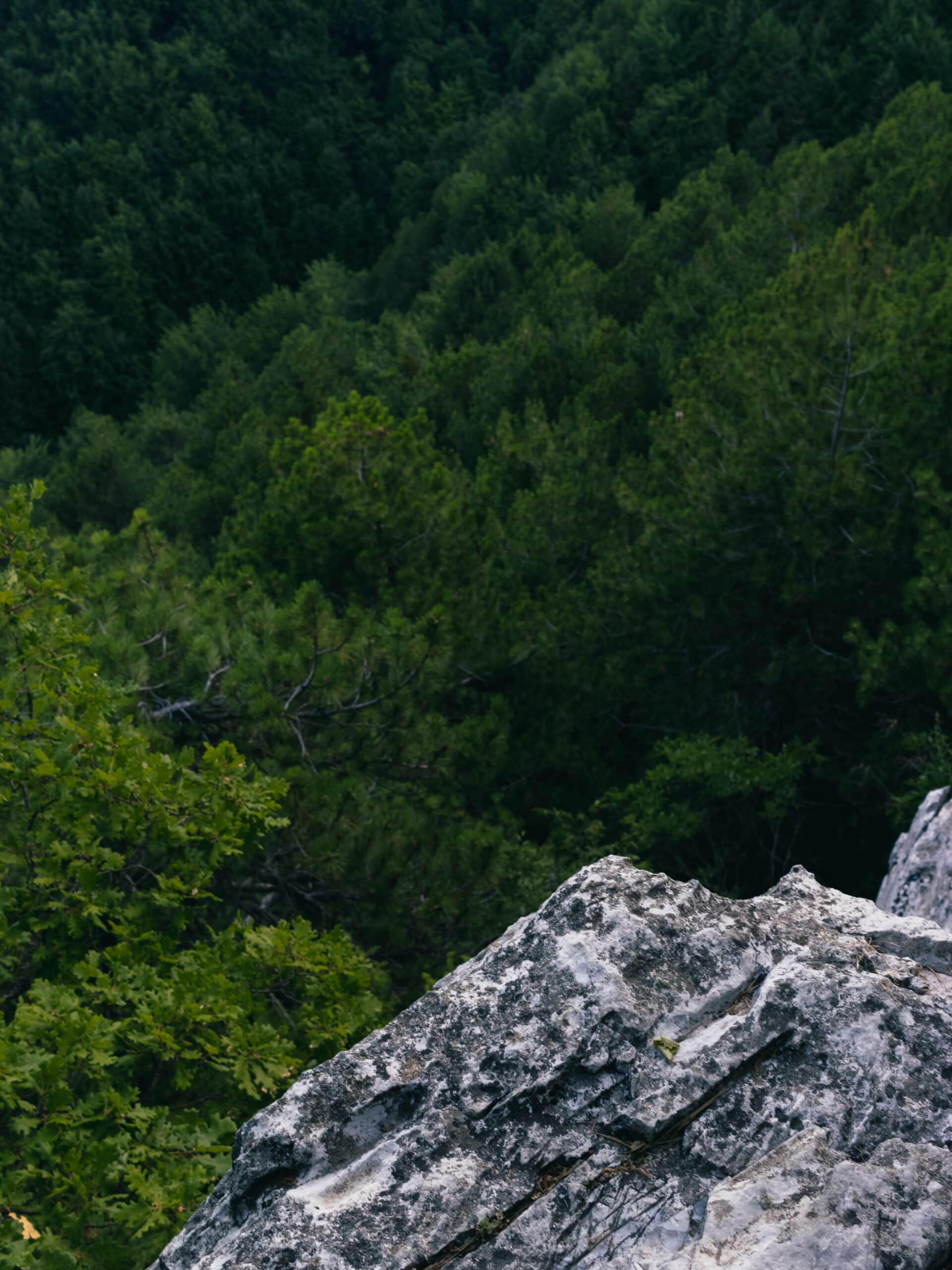
For a different kind of day hike, follow the trail from Prionia towards Spilios Agapitos Refuge.
The route is approximately 4.5 km and takes around three hours, depending on pace and conditions.
Unlike the descent towards Litochoro, this route gains elevation. The trail climbs through forest and rocky terrain towards the refuge at approximately 2,060 metres.
As you climb, the character of the mountain begins to change. The forest gradually gives way to more open and alpine-looking terrain, with wider views appearing between the trees.
This is an option for hikers who want to experience higher Mount Olympus without committing to a summit attempt.
Good for: hikers who want more elevation and a taste of the higher mountain environment.
Which Mount Olympus Hike Should You Choose?
The right route depends less on finding the “best” hike and more on what kind of day you want to have on the mountain.
- For a longer forest and gorge experience: Prionia → Litochoro via the E4.
- For a shorter nature and culture outing: Prionia → Agio Spilaio → Agios Dionysios Monastery.
- For more elevation and higher mountain scenery: Prionia → Spilios Agapitos Refuge.
Distances and walking times should be treated as approximate. Your pace, stops, weather and current trail conditions can all change the experience.
Enipeas Gorge: One of the Characteristic Landscapes of Olympus
The Enipeas Gorge is one of the landscapes that gives this part of Mount Olympus its distinctive character.
Water follows the gorge through the mountain, creating a combination of forest, rock, bridges and small crossings that makes the trail feel very different from a typical woodland walk.
It is also one of the reasons the area around Litochoro and Prionia is so popular with people who want to experience Olympus without attempting its highest peaks.
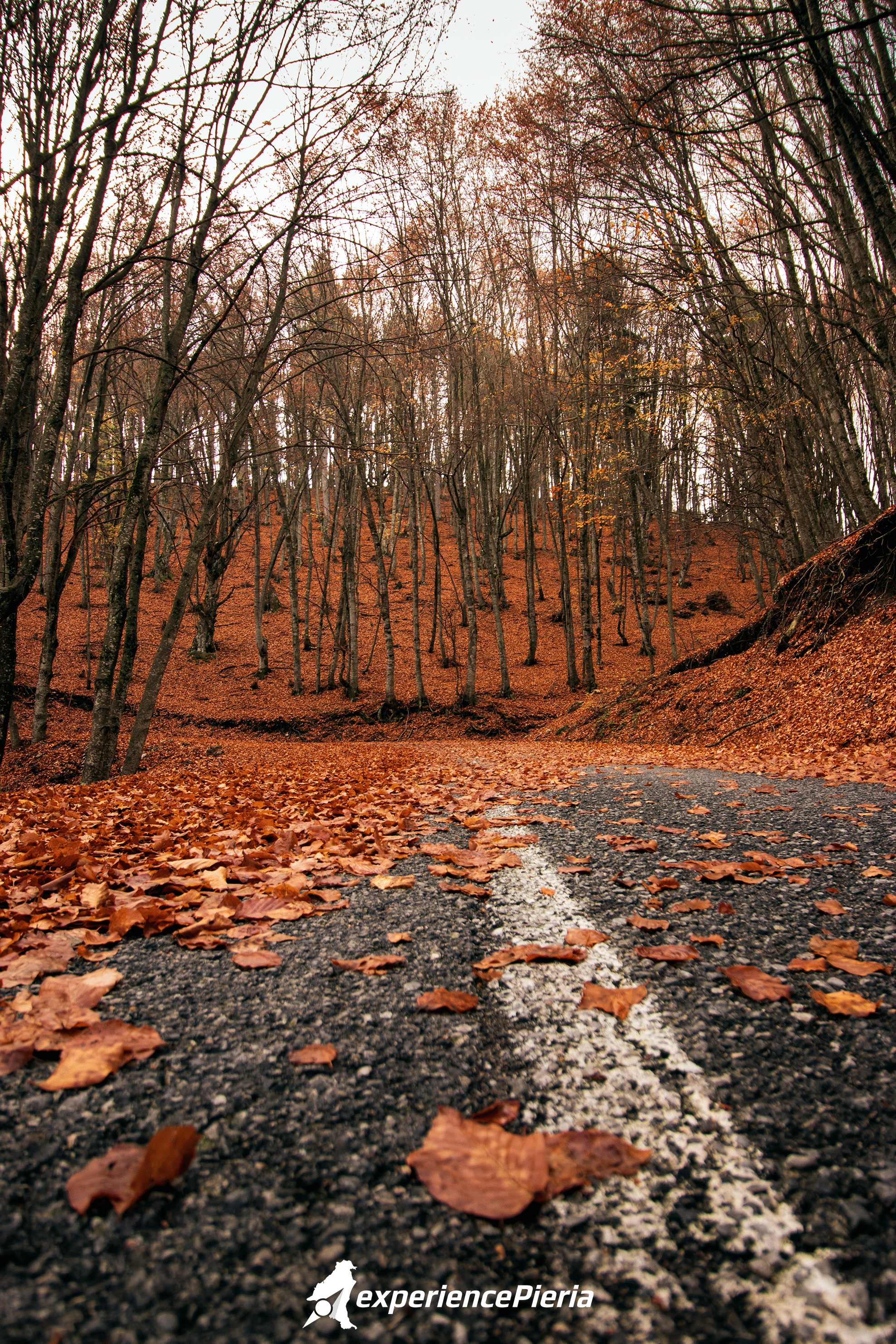
Depending on the season, the same trail can look completely different — from lush green vegetation and flowing water to autumn colours and winter conditions.
When Is the Best Time to Hike Mount Olympus?
There is no single season that looks the same on Olympus.
Spring brings flowing water, fresh vegetation and cooler conditions.
Summer can offer long days for hiking, but temperatures and exposure can increase, especially on more open sections.
Autumn brings changing colours to the forests and a different atmosphere to the mountain.
Winter is another world. Snow, ice, low temperatures and rapidly changing mountain weather can make routes considerably more demanding.
Always check the conditions for the specific route you intend to hike rather than relying only on the season.
Practical Tips for a Day Hike on Mount Olympus
Even when you are planning only a day hike, Mount Olympus should be treated as a real mountain environment.
- Check the weather before leaving. Conditions can change quickly with elevation.
- Check current trail conditions. Water, mud, fallen branches, snow or ice can affect sections of a route.
- Wear proper hiking footwear. Some sections are rocky, uneven or wet.
- Carry enough water and food. Around 1.5 litres of water is a useful starting point for a day hike, but requirements vary with weather and route.
- Bring an extra layer. Temperatures can change as you gain elevation.
- Carry an offline map. Mobile coverage should not be assumed everywhere on the mountain.
- Allow extra time. Photographs, rests, water crossings and changing conditions can make a hike take longer than expected.
- Know your limits. A route that looks manageable on a map can feel very different on the ground.
- Consider a local guide if you are unfamiliar with Olympus or the route conditions.
A Day on Olympus Does Not Have to End on the Trail
One of the pleasures of exploring Mount Olympus from Pieria is that the mountain is closely connected with the surrounding communities.
You can begin your morning in Litochoro, hike through the forest, return from the mountain and finish the day with food or a walk through the town.
You can also combine a mountain day with the archaeological and cultural heritage of the region, including nearby Dion.
This combination of mountain, village, archaeology and coast is one of the reasons Pieria works so well as a destination for outdoor travellers.
Frequently Asked Questions
Can you hike Mount Olympus in one day?
Yes. Several routes allow visitors to experience parts of Mount Olympus during a day hike without attempting a summit. The routes from Prionia towards Litochoro, Agios Dionysios and Spilios Agapitos are examples.
Is the Enipeas Gorge hike easy?
It depends on the section. The Prionia–Litochoro route described here is approximately 9 km and takes around 5–6 hours, so it is better considered a moderate day hike rather than a simple walk.
Where can you start hiking Mount Olympus?
Litochoro and Prionia are two of the main starting points for hiking routes into the mountain.
Can beginners hike Mount Olympus?
Some lower-elevation routes are more approachable than a summit climb, but “Mount Olympus” covers a wide range of terrain. Beginners should choose a route appropriate to their experience, check current conditions and consider going with someone familiar with the mountain.
Do you need a guide to hike Mount Olympus?
Not every route requires a guide, but a local mountain guide can be particularly useful if you are unfamiliar with the terrain, weather conditions or navigation on Olympus.
Continue Exploring Pieria
The summit is only one part of the Olympus experience.
From the forests around Prionia and the Enipeas Gorge to Litochoro, ancient Dion, traditional villages and the Aegean coast, Pieria offers many ways to experience the mountain at your own pace.
Discover more outdoor experiences:
Explore Outdoor Activities & Experiences in Pieria
