
CULTURE · HISTORY · LOCAL EXPERIENCES · ANCIENT DION, PIERIA
When Nature Answered the Lyre | A Rainy Sunday at Ancient Dion
Discover Pieria Differently · Greek Heritage · The Pieria I Know
A Sunday walk through the Archaeological Park of Dion turned into an unexpected encounter with music, history and nature. A handmade ancient Greek lyre, two spontaneous conversations and the sound of rain created a moment we hadn’t planned for.
There are days when you set out simply to explore a place, without expecting anything particular. And sometimes, those are the days that leave you with the most memorable stories.
On Sunday, 15 November 2026, we visited the Archaeological Park of Dion, at the foot of Mount Olympus in Pieria, Greece.
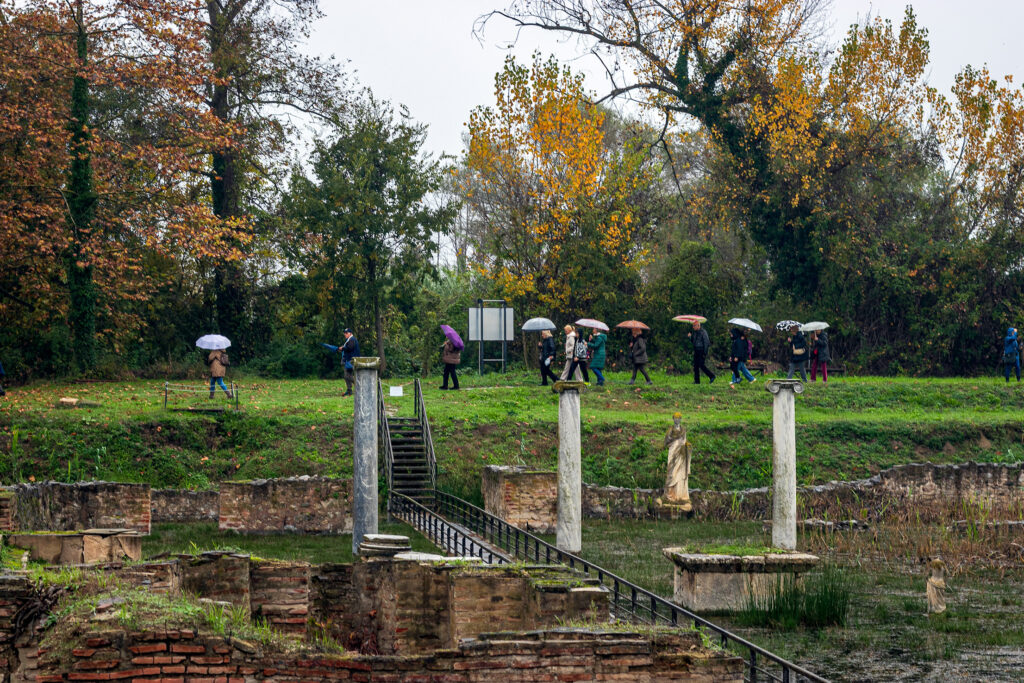
We arrived at around 10:30 in the morning. It was a rainy but surprisingly mild day. The autumn colours had transformed the landscape, and the weather was perfect for a relaxed walk among the ancient remains.
It was also the third Sunday of November, one of the designated free-admission days for archaeological sites and museums in Greece during the winter season. At the entrance, we received our tickets, showing a zero-value charge, and began our visit.
We were visiting with Christos Kyparissas, who had brought along a handmade lyre of his own creation.
We had no idea that this instrument would become the starting point for two unexpected encounters and one particularly memorable musical moment.
The Experience at a Glance
- Location: Archaeological Park of Dion, Pieria, Greece.
- Visit: Sunday, 15 November 2026.
- Arrival: Approximately 10:30 AM.
- Weather: Rainy, mild autumn day.
- Highlight: A handmade ancient Greek lyre played at the Sanctuary of Asklepios.
- Musician & Instrument Maker: Christos Kyparissas.
- Experience: Archaeology, music, nature and spontaneous encounters.
- Admission: Free on the third Sunday of November.
The Lyre That Started Conversations
We hadn’t even properly started our visit when a guide at the entrance noticed the lyre and stopped us to ask about it.
Her curiosity quickly turned into a conversation. She spoke about Apollo, the ancient Greek god associated with music, and the importance of Delphi.
What stood out was her genuine curiosity and enthusiasm for Greek culture. She clearly knew her subject and was eager to talk about the instrument.
It was a lovely, spontaneous encounter. The instrument had already done something interesting: it had opened a conversation between people who might otherwise simply have passed each other.
The lyre was handmade by Christos Kyparissas, who had constructed it himself as a reconstruction inspired by the ancient Greek instrument.
It was not simply an object to look at. It was a working musical instrument, ready to be played.
And it seemed to have a way of attracting attention wherever we went.
Walking Through Ancient Dion in the Rain
Once inside, we continued our walk through the archaeological park.
The rain was gentle at first. The paths were covered with fallen autumn leaves, the vegetation looked fresh and green, and water moved through the landscape.
There is something particularly appealing about visiting an archaeological site on a day like this. Without the strong summer light and heat, the surroundings seem quieter. You naturally slow down and start noticing smaller details.
Visitors continued exploring the site, walking between the ancient remains, stopping to look around and taking photographs despite the rain.
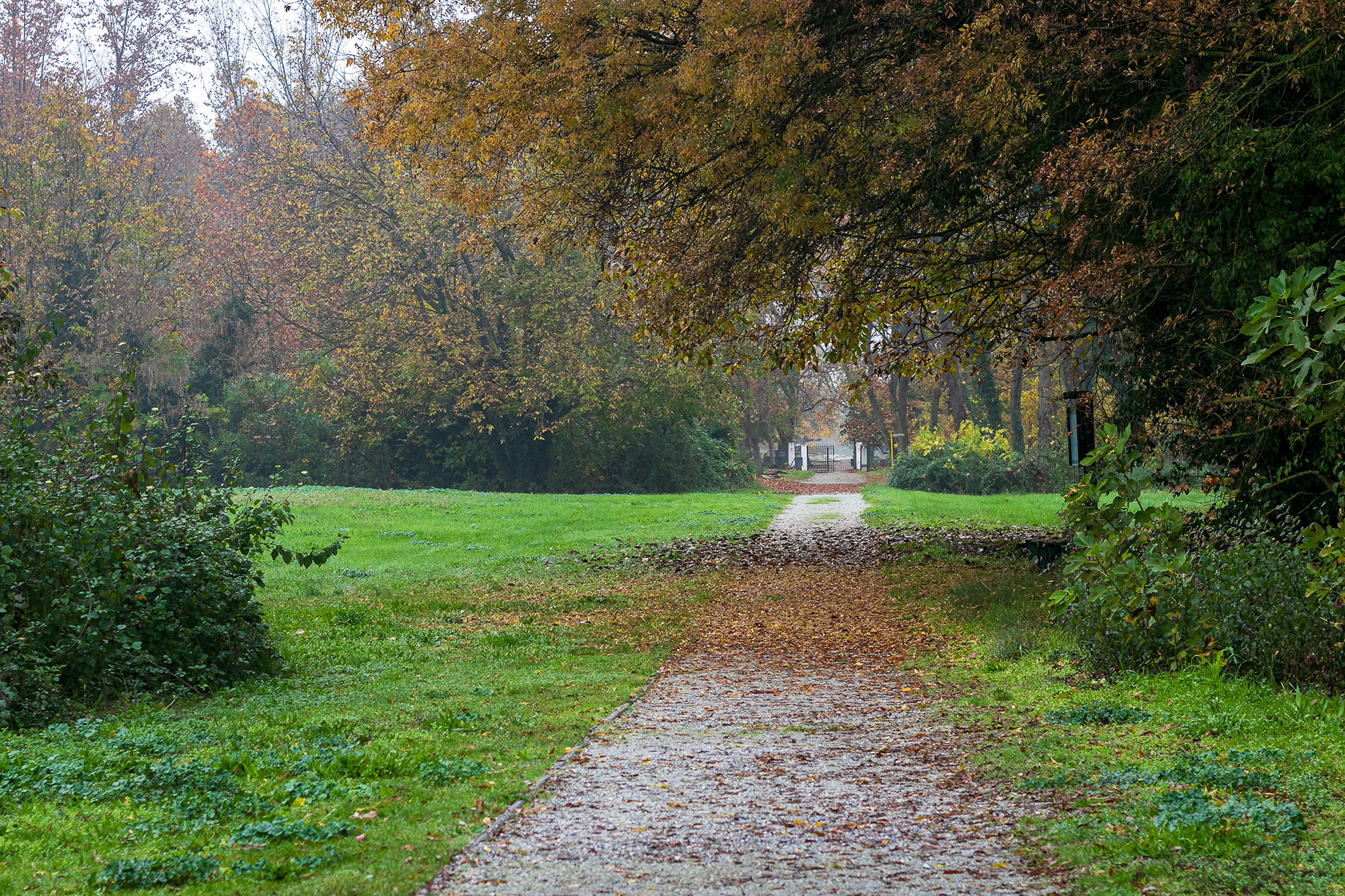
We continued through the archaeological landscape, with the monuments appearing gradually between the trees.
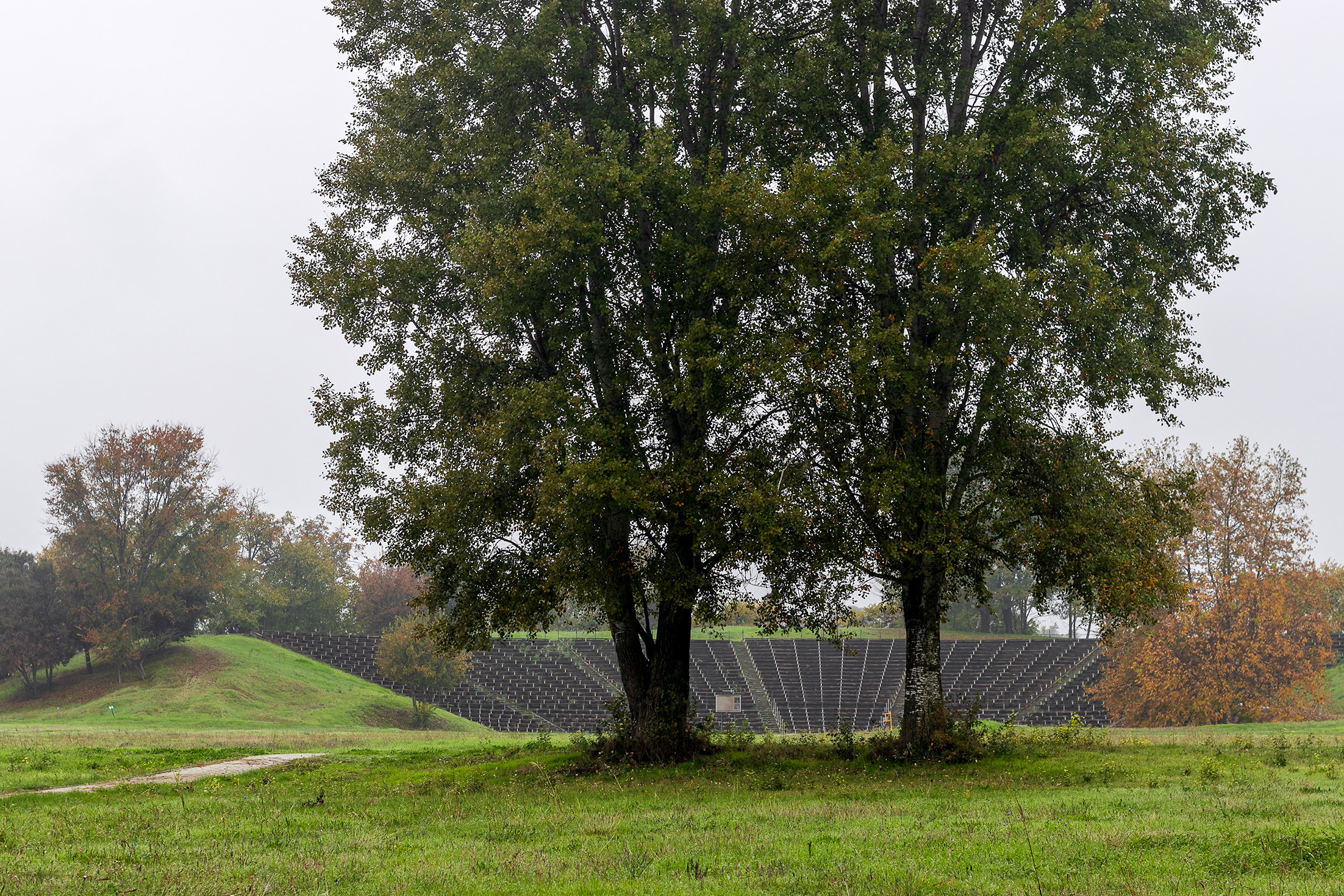
The weather never felt like an obstacle. It was simply part of the experience.
When Nature Answered the Lyre
One of the most memorable moments of our visit happened at the Sanctuary of Asklepios.
Christos sat down and began playing his handmade lyre.
For approximately 50 seconds, we simply listened.
There was no background music, no narration and no attempt to create a particular atmosphere. Just the sound of the instrument, the rain falling around us, the gentle trickling of water and the natural ambience of the archaeological park.
And then something unexpected happened.
The rain grew stronger. Above the musician, the tree began releasing its leaves. One after another, they fell around him as he continued playing.
For a brief moment, it almost felt as though nature was answering the music.
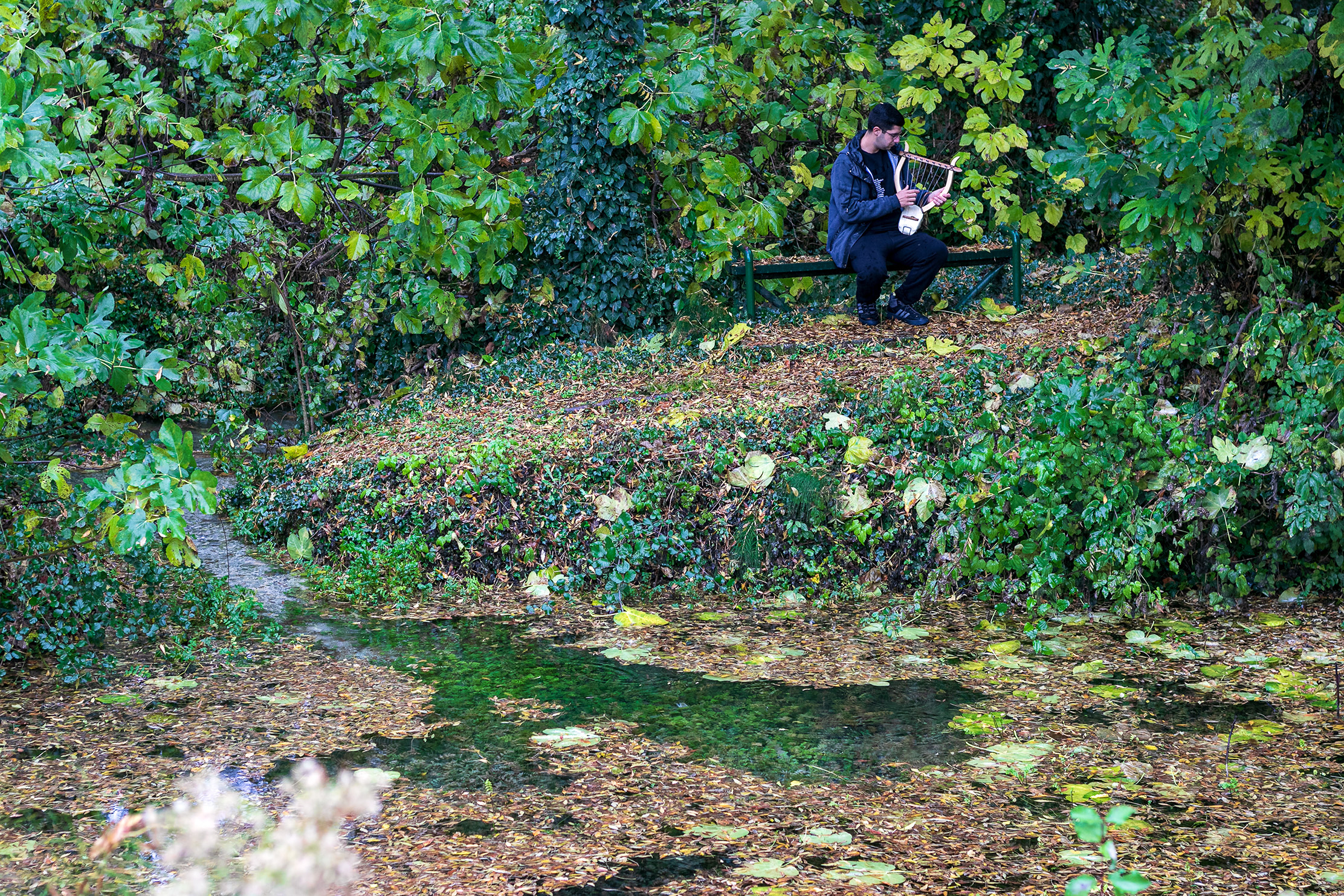
Standing in a place with such a long history, it was difficult not to think about the centuries that had passed here.
In ancient Greece, the lyre was closely associated with music, poetry, education and cultural life. Its sound belonged to a world very different from ours, yet the instrument itself still has the ability to create an immediate connection with people.
We cannot know exactly what music sounded like at this particular sanctuary centuries ago. But listening to the lyre in that setting made the distance between the ancient world and the present feel a little smaller.
And perhaps that was the most beautiful part of the experience: a handmade instrument, played by its creator, in an ancient place, while the rain and falling leaves became part of the performance.
Watch the moment:
No added soundtrack. No artificial atmosphere. Just a short musical moment in Ancient Dion.
Another Unexpected Encounter on the Way Out
As we were leaving the archaeological park, the lyre attracted attention once again.
Another guide noticed the instrument and became genuinely enthusiastic. Her positive energy and excitement were immediately contagious.
She turned towards her group and explained how lucky they were to have the opportunity to see such an instrument.
She explained to her group that the instrument was a reconstruction inspired by the ancient Greek lyre, with a soundbox made from a tortoiseshell.
For a moment, the group gathered around to take a closer look.
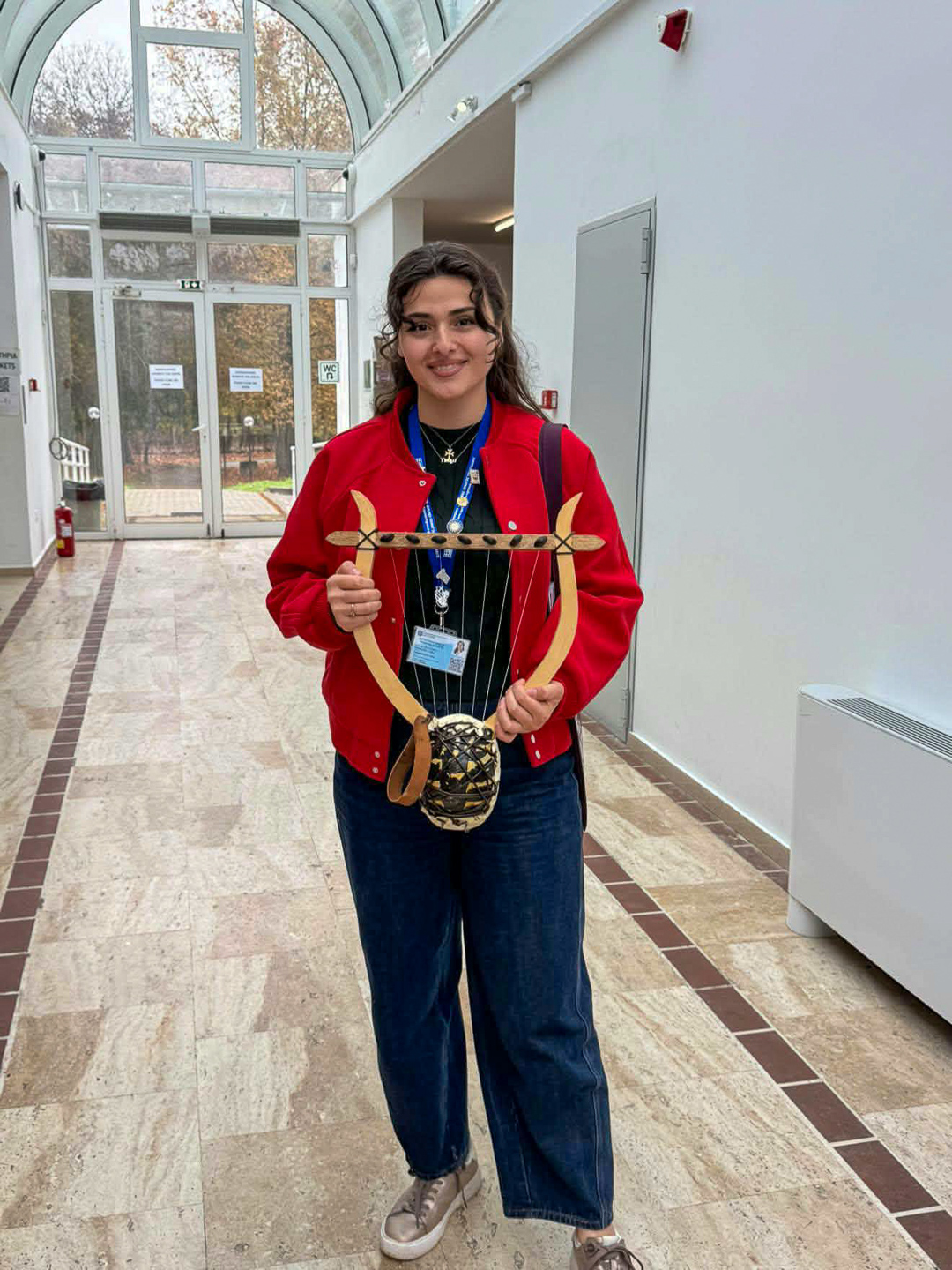
It was interesting to see how an instrument connected with ancient Greek music could create such spontaneous interest among visitors.
What stayed with me was not simply the attention the instrument received, but the genuine enthusiasm of the guide. She clearly appreciated the cultural significance of what she was seeing and wanted to share that feeling with her group.
It was our second unexpected encounter of the day, and another reminder that sometimes the most meaningful parts of travelling happen through simple human interactions.
A Different Way to Experience Ancient Dion
Our visit was not about following a strict route or ticking monuments off a list.
It was about walking, observing and allowing the place to reveal itself at its own pace.
The rain, the autumn leaves, the sound of the handmade lyre and the enthusiasm of two guides all became part of the same experience.
Ancient Dion is a place where history and nature exist side by side. Its archaeological remains are surrounded by vegetation, water and a landscape that changes character with every season.
That Sunday, we came for a walk.
We left with a memory of a lyre, a little rain and a moment when it seemed that nature had decided to join in.
Some moments are not planned. They simply happen when you take the time to be there.
Plan Your Visit to the Archaeological Park of Dion
The Archaeological Park of Dion is located near the village of Dion, at the foot of Mount Olympus, in Pieria, northern Greece.
It offers visitors the opportunity to explore the remains of an ancient Macedonian city, including sanctuaries, theatres, public buildings, streets and residential areas within an extensive natural landscape.
During the winter season, from 1 November to 31 March, admission to state archaeological sites and museums in Greece is free on the first and third Sunday of each month.
On the day of our visit, 15 November 2026, we entered the archaeological park under this free-admission policy.
Winter Visitor Information
- Location: Dion, Pieria, Greece.
- Winter season: 1 November – 31 March.
- Opening hours: 08:30–15:30.
- Weekly closing day: Tuesday.
- Last admission: 15:10.
- Full ticket: €10.
- Reduced ticket: €5.
- Free admission: First and third Sunday of each month during the winter season.
The archaeological park and the Archaeological Museum of Dion have different opening schedules. Check the latest information before planning a visit to both.
For more practical information, including the winter timetable, ticket prices, free-admission dates and visitor tips, read our dedicated guide:
Dion Archaeological Park: Winter Opening Hours, Tickets & Visitor Guide
You can also explore the destination listing for more information about the archaeological park:
Archaeological Park of Dion – Explore the Destination
Opening hours and admission arrangements may change, so it is always worth checking the latest official information before travelling.
Discover More Stories from Pieria
Ancient Dion is one of the many places where the history, landscape and everyday life of Pieria come together.
From archaeological sites and traditional villages to local producers, mountain landscapes and authentic encounters, there are many different ways to discover the region.
Explore more first-hand stories and experiences from Pieria and Mount Olympus through Pieria Stories.
The Pieria I Know
For me, the most memorable part of this Sunday was not simply the archaeological site or the ancient monuments.
It was the way a handmade musical instrument brought people together. The curiosity of the first guide, the enthusiasm of the second, the sound of the lyre and the leaves falling around Christos as the rain grew stronger.
We often visit places expecting to discover something about their past. But sometimes, the most memorable experiences happen in the present.
Perhaps that is one of the best ways to experience a place: to arrive without expecting too much, to stay curious and to allow unexpected moments to become part of your story.
That is the Pieria I know.
Discover Pieria Differently
Explore the people, places, traditions and experiences that make Pieria and Mount Olympus special.
From ancient heritage and local stories to nature, gastronomy and authentic encounters, there are many stories waiting to be discovered.
