
European Heritage Days in Greece | Free Museums & Archaeological Sites
European Heritage Days in Greece | Free Museums & Archaeological Sites
Culture & Heritage · European Heritage Days 2025
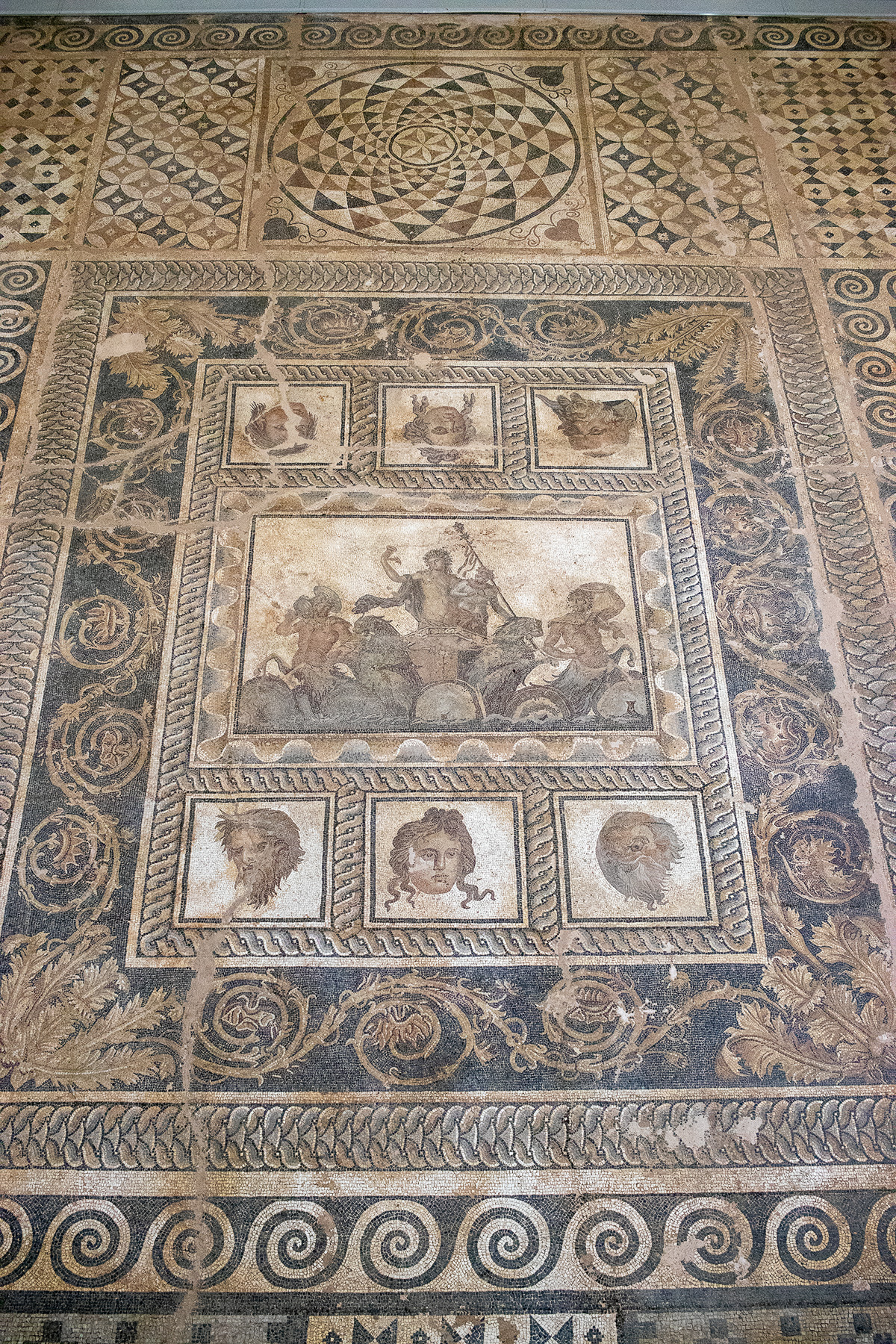
Inside the Archaeological Museum of Dion in Pieria.
Every September, European Heritage Days turn the spotlight towards Europe’s shared cultural heritage, giving visitors opportunities to discover historic buildings, museums, archaeological sites and monuments through special programmes and, where officially provided, free admission.
In Greece, the 2025 celebration took place on 27 and 28 September, bringing heritage into focus through the year’s theme, “Architectural Heritage – Bridging the Past with the Future.”
For travellers in Northern Greece, it was also a good opportunity to look beyond the better-known destinations and spend time with the archaeological heritage of Pieria — especially the ancient city of Dion, beneath Mount Olympus.
European Heritage Days at a Glance
- 2025 dates in Greece: Saturday 27 & Sunday 28 September
- Theme: Architectural Heritage – Bridging the Past with the Future
- Focus: Museums, archaeological sites, monuments and cultural heritage
- Admission: Free entry was offered at participating state-owned sites and institutions according to the official programme
- Pieria highlight: Ancient Dion and the Archaeological Museum of Dion
- Best approach: Check the official programme and opening information before visiting
What Are European Heritage Days?
European Heritage Days are an annual cultural initiative taking place across Europe, encouraging people to discover places, traditions and buildings that form part of the continent’s shared heritage.
The idea is simple: heritage becomes more meaningful when people can experience it directly.
Instead of seeing history only in books or photographs, visitors can walk through archaeological sites, enter historic buildings, see museum collections and discover the stories connected with the places around them.
The programme changes from country to country and from year to year, so individual events, opening hours and admission arrangements should always be checked for the specific edition.
2025 Theme: Bridging the Past with the Future
The 2025 theme, “Architectural Heritage – Bridging the Past with the Future,” encouraged a closer look at the buildings and spaces inherited from previous generations and the ways in which they remain relevant today.
Architecture is not only about monuments.
It also tells us how people lived, worshipped, worked, gathered and moved through their communities.
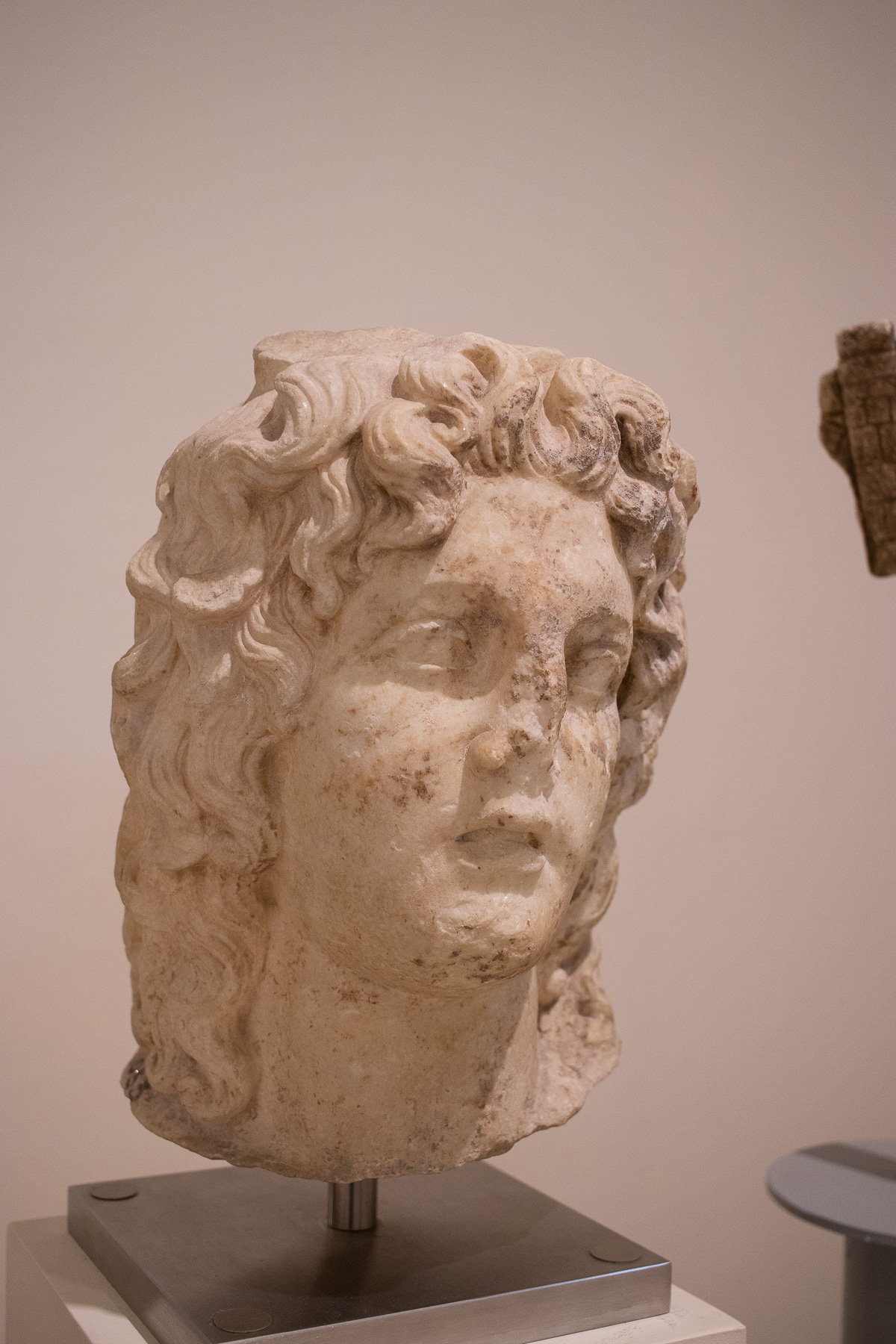
Archaeological finds from ancient Dion, now preserved in the museum.
Why Dion in Pieria Is Worth Discovering
At the foot of Mount Olympus lies Dion, one of the most important archaeological sites in Pieria.
Ancient Dion developed as a major religious and cultural centre of the Macedonian kingdom. Its sanctuaries, theatres, public spaces, water systems and mosaics reveal a city that was much more than a collection of ruins.
The landscape is part of the experience.
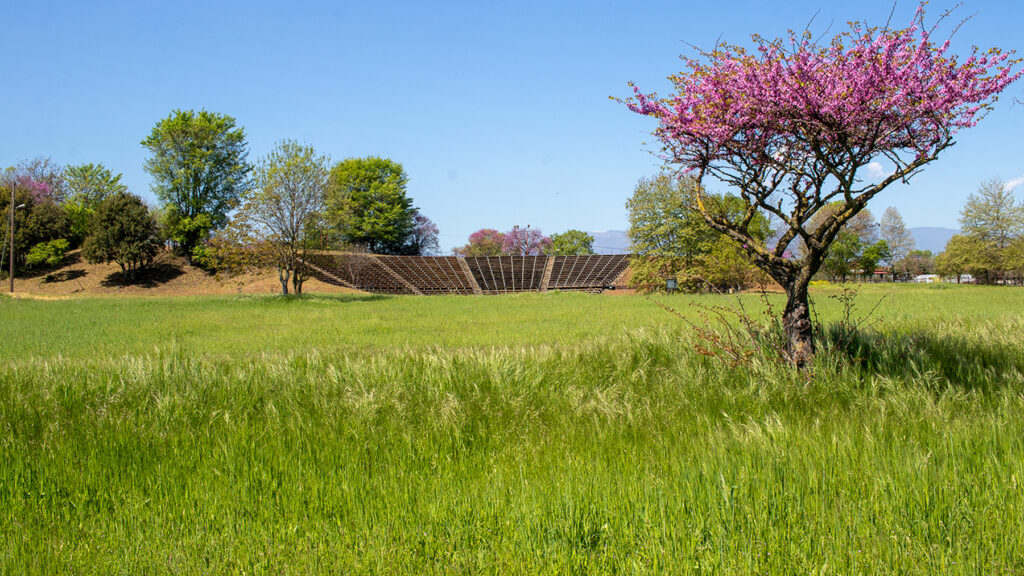
Walking through the archaeological park, you move between ancient remains and vegetation, with Mount Olympus rising nearby. It is one of those places where archaeology and landscape are difficult to separate.
Explore the Archaeological Park of Dion
Ancient Dion: What Can You See?
A visit to the archaeological park can include several different aspects of ancient city life.
- Sanctuaries: religious spaces dedicated to important ancient deities.
- Theatres: places connected with performance and public life.
- Mosaics: detailed floors that offer a glimpse into the decoration of ancient buildings.
- Water systems: channels, baths and other evidence of the city’s relationship with water.
- Public spaces: remains that help reconstruct the organisation of the ancient settlement.
The experience is different from visiting a museum because the archaeological evidence remains in its original landscape.
The Archaeological Museum of Dion
After exploring the archaeological park, the Archaeological Museum of Dion provides another way to understand the site.
The museum houses finds from the wider archaeological area, including sculptures, inscriptions, architectural elements and objects connected with everyday and religious life.
Seeing the objects indoors after walking among the ruins creates a useful connection between the archaeological remains and the people who once used them.
Explore the Archaeological Museum of Dion
From Dion to Mount Olympus
One of the special qualities of Dion is its setting.
The archaeological site sits within the wider landscape of Mount Olympus, creating a natural connection between mythology, archaeology, nature and the modern destination of Pieria.
You can spend part of a day among the ancient remains and then continue towards Mount Olympus, Litochoro or the nearby villages.
For visitors interested in both culture and nature, this combination is one of the defining experiences of the region.
Planning a Visit to a Heritage Site in Greece
If you are travelling in Greece during European Heritage Days, it is worth planning around the official programme rather than assuming that every site will follow exactly the same schedule.
- Check opening hours: confirm the current hours before travelling.
- Check admission: free entry depends on the official programme and participating institutions.
- Allow enough time: archaeological parks are often larger than they first appear.
- Wear comfortable shoes: uneven archaeological surfaces can require more walking than expected.
- Bring water: especially when visiting open-air archaeological sites.
- Consider the weather: September can still be warm in Northern Greece.
- Respect the site: stay on designated paths and follow the instructions of staff.
European Heritage Days Are About More Than Free Admission
Free admission is a useful reason to visit, but it is not really the heart of the celebration.
The more interesting question is what happens when we give ourselves time to look at places we might otherwise pass by.
A temple becomes more than stones.
A theatre becomes a reminder that people gathered here long before us.
A museum object becomes connected to the landscape from which it came.
And an archaeological site becomes part of the living destination around it.
That is particularly true in Pieria, where ancient Dion, Mount Olympus, traditional villages and the coastline exist within the same relatively compact region.
Why Experience Pieria Includes Heritage Stories
At Experience Pieria, we believe that discovering a destination is not only about finding where to sleep or where to eat.
It is also about understanding the places you are walking through.
That means looking at archaeology alongside nature, local traditions alongside contemporary life, and ancient landscapes alongside the people who live here today.
Our story about Dion Archaeological Park explores the site from a more personal perspective — including a quiet March visit and an unexpected encounter that became part of the story.
Continue Exploring Pieria
Dion is only one layer of Pieria’s cultural landscape.
From here, you can continue towards Mount Olympus, discover Litochoro and its traditions, explore archaeological and religious heritage, visit mountain villages, or head towards the coast and the Aegean.
Explore Pieria at your own pace:
Explore Pieria
