
Apokries in Pieria, Greece | The Greek Carnival & Triodion Traditions
Apokries in Pieria, Greece | The Greek Carnival & Triodion Traditions
Discover Apokries in Pieria through Greek Carnival traditions, the Triodion, the cedar fires of Litochoro, ancient ritual echoes and the local communities that keep these customs alive.
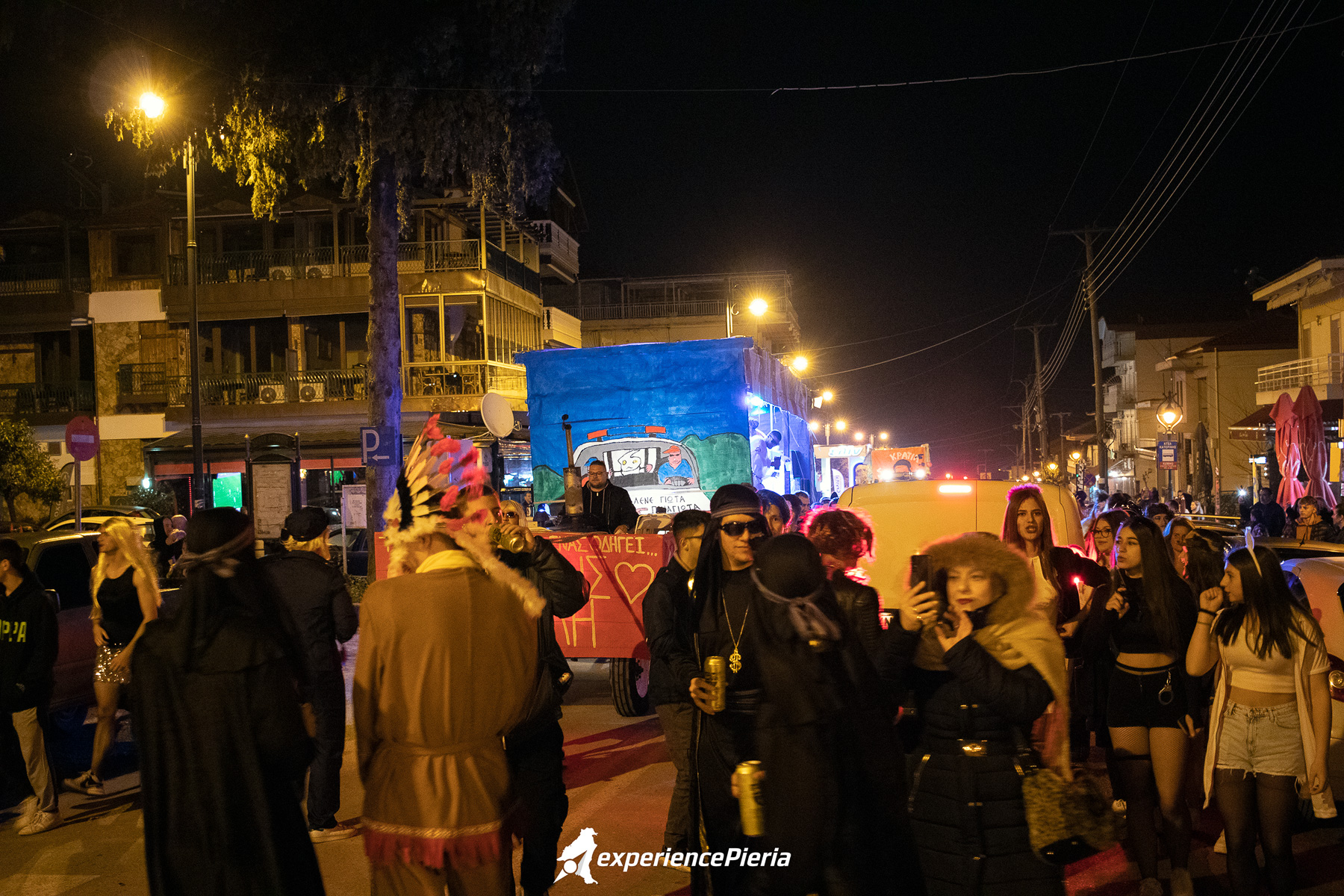
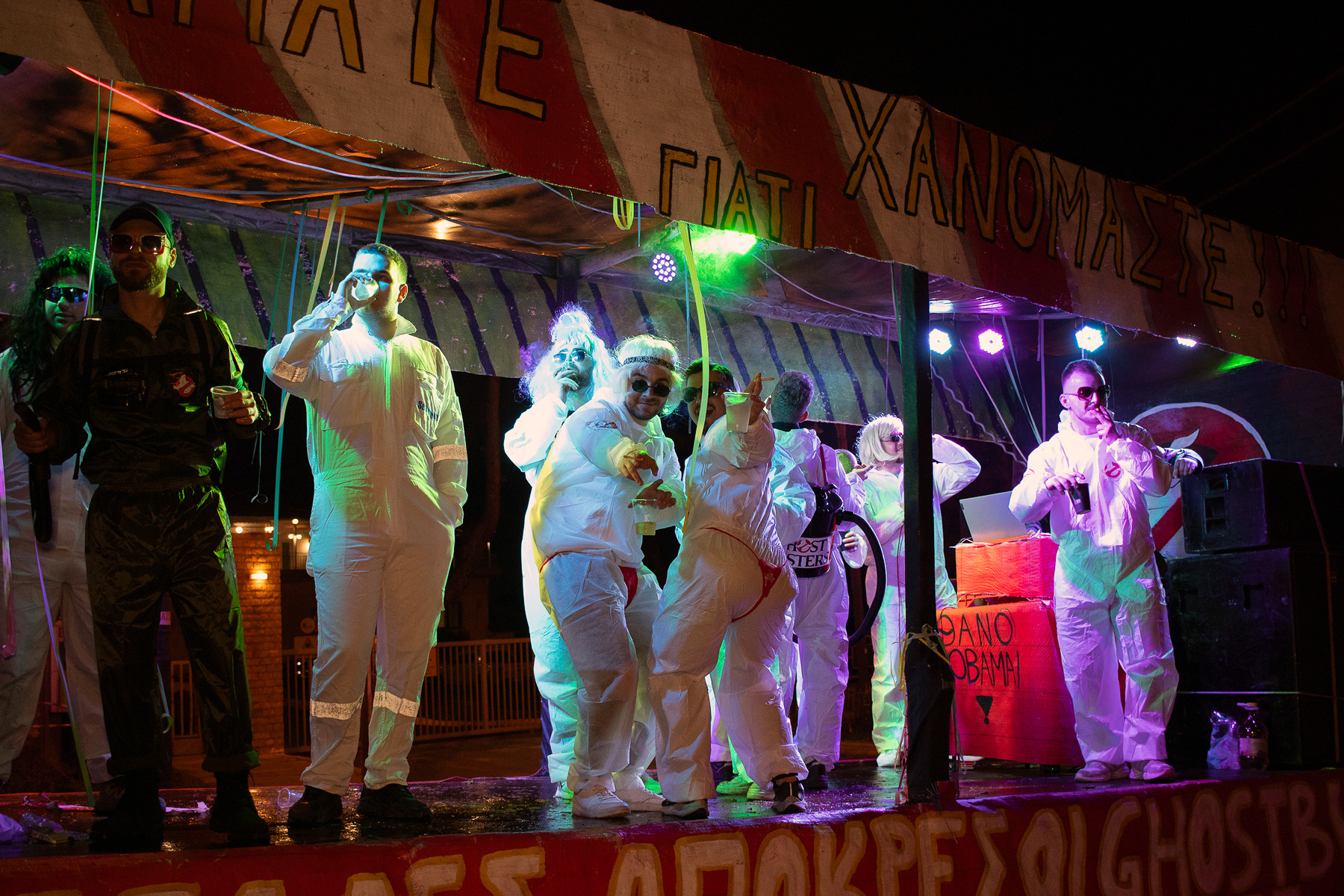
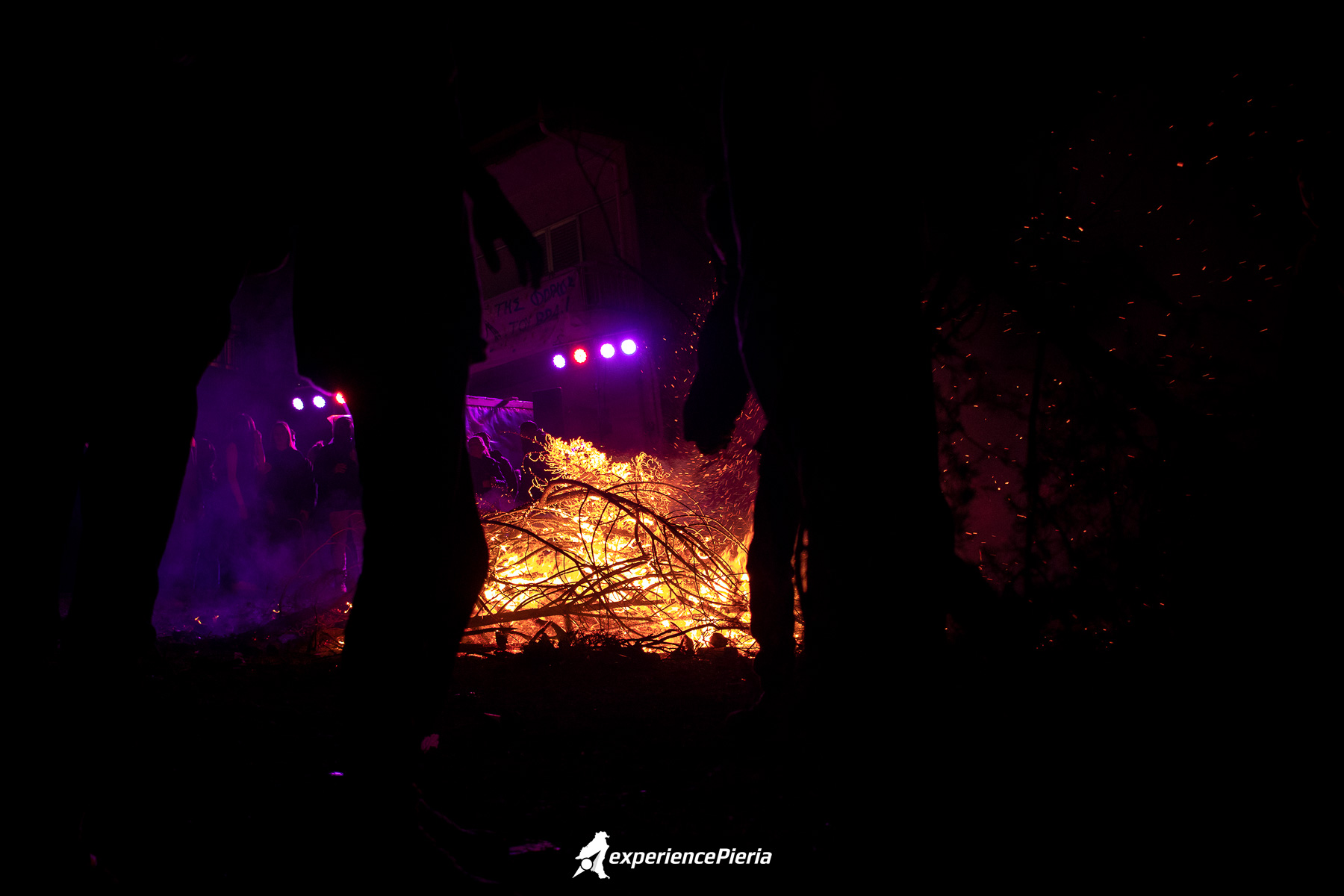
Apokries is the Greek Carnival season — a time of masks, costumes, music, food, laughter and collective celebration before Great Lent.
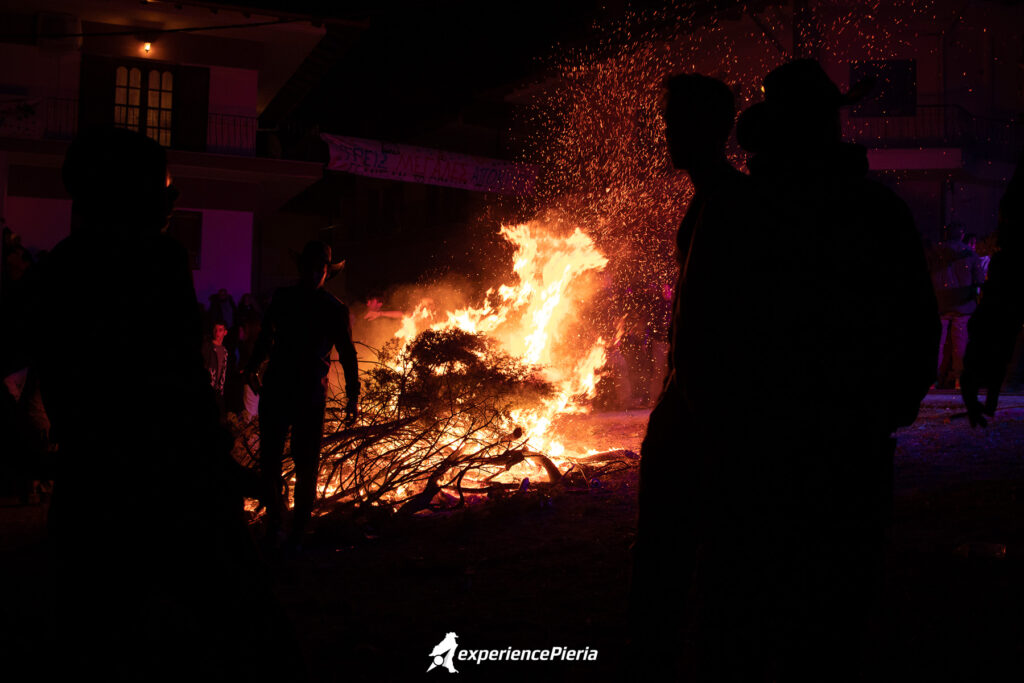
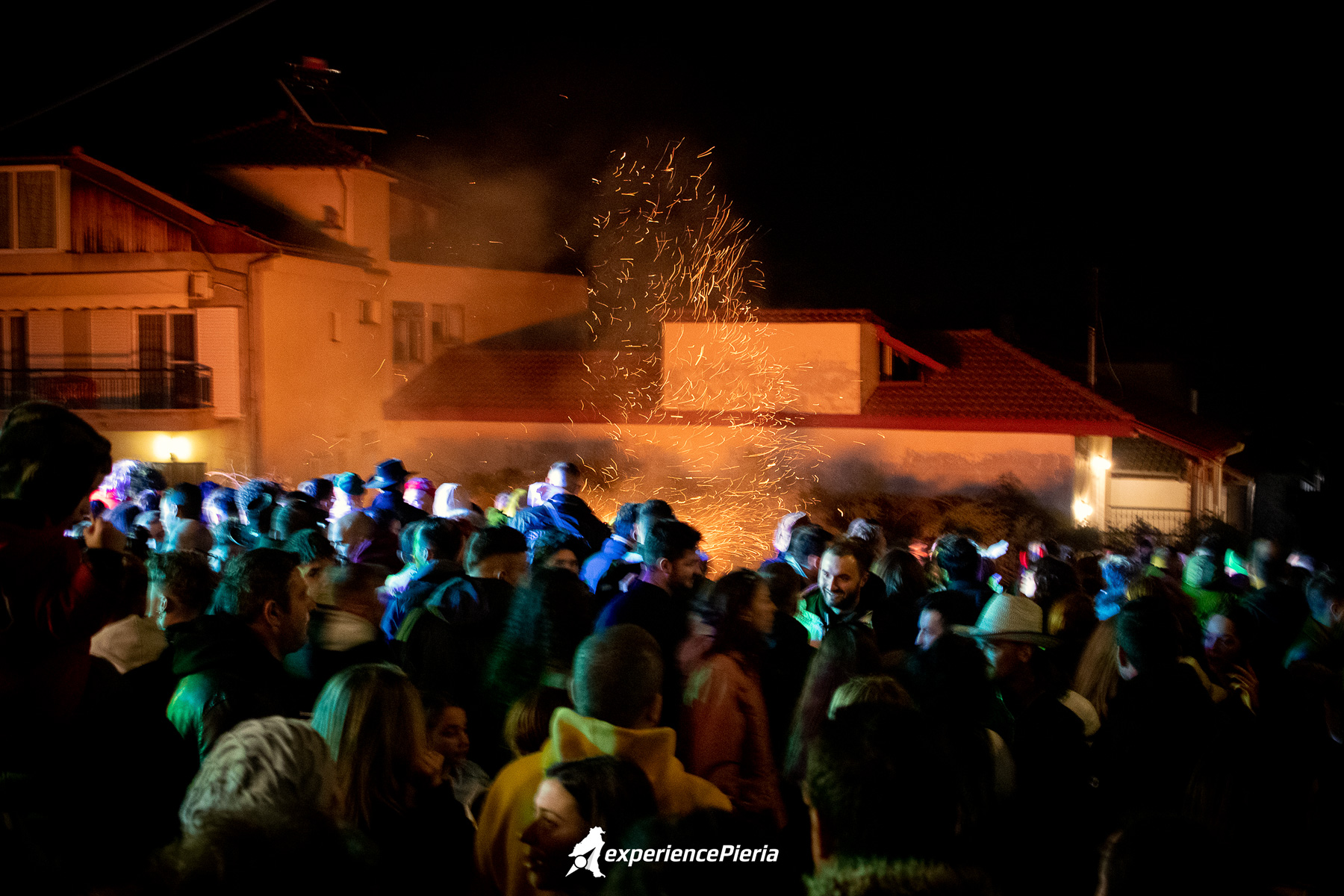
But Apokries in Greece is more than a modern Carnival. Beneath the Christian calendar lies a much older layer of seasonal rituals, symbols and customs. In places such as Litochoro, some of these elements remain visible in traditions involving fire, smoke, music, procession and communal celebration.
To understand Apokries in Pieria, it helps to look at both layers: the Christian tradition that gave the season its present calendar and meaning, and the much older ritual vocabulary that has continued to echo through Greek folklore.
Apokries in Pieria at a Glance
- What it is: the Greek Carnival season leading towards Great Lent.
- When: during the three weeks before Great Lent, with dates changing each year.
- Where to experience it: Litochoro and communities throughout Pieria have their own celebrations and customs.
- What to expect: masks, costumes, music, food, performances, gatherings and local rituals.
- A distinctive Litochoro tradition: the burning of cedar fires during the closing Carnival celebrations.
- Why the cedar fires matter: fire and rising smoke carry powerful associations with purification, offering and the sacred.
- Best for: travellers interested in Greek culture, folklore, photography, food and living traditions.
- Tip: check the local programme before travelling, as dates and individual events change each year.
What Are Apokries?
In Greece, Apokries is the traditional Carnival period that leads towards Great Lent and, eventually, Easter.
The word itself belongs to the Christian tradition. It is connected with the period before abstaining from meat and reflects the transition towards the fasting of Lent.
Yet the celebrations themselves are much more complex. Masks, disguises, processions, music, feasting, fire and temporary reversals of everyday behaviour are found in many traditional Carnival customs and have parallels in older seasonal and ritual practices.
That does not mean that modern Apokries are simply an unchanged survival of an ancient festival. The traditions we see today have developed through centuries of cultural and religious change.
A more interesting way to look at them is as layers of cultural memory: older symbols and ritual forms that survived, changed meaning and eventually became part of the Christian calendar.
Older Than the Christian Calendar: Ancient Echoes of Apokries
Long before Christianity became the dominant religious tradition in Greece, seasonal celebrations already brought together food, music, masks, procession, fire, fertility symbolism and collective release from the rules of everyday life.
Some of these elements have been associated by scholars with the worship and ritual world of Dionysus, the ancient Greek god connected with wine, vegetation, fertility, transformation and ecstatic celebration.
The connection between modern Carnival customs and ancient Dionysian festivals, however, should be treated with care. It is possible to identify similarities and older ritual motifs, but that is different from proving that every modern Carnival custom is a direct continuation of an ancient Dionysian ceremony.
What survives may be less a single unbroken tradition and more a long cultural memory — forms of celebration repeatedly adapted to new historical and religious circumstances.
This is particularly fascinating in Pieria, where ancient mythology, Mount Olympus, local folklore and Christian traditions exist within the same landscape.
Triodion: The Christian Calendar Behind Apokries
Triodion refers to the liturgical period leading towards Great Lent in the Greek Orthodox tradition. Within this period, the three weeks of Carnival gradually lead towards the beginning of fasting.
Profoni Week
The first week marks the opening of the Carnival period. Social gatherings, food and preparations for the celebrations become part of the seasonal atmosphere.
Kreatini Week
Kreatini, or Meat Week, is traditionally associated with meat and communal feasting. It includes Tsiknopempti, one of the best-known days of Greek Carnival, when the smell of grilled meat fills streets and neighbourhoods across Greece.
Tyrini Week
The final week before Lent is traditionally associated with dairy products rather than meat. It leads towards the final Sunday of Carnival and then Clean Monday, the beginning of Great Lent.
The Christian calendar therefore gives Apokries its present structure. But many of the ways people celebrate — especially the symbolic use of fire and communal ritual — speak to traditions that reach much further back.
Apokries in Litochoro
In Litochoro, Carnival is not simply a parade.
The town’s streets and older neighbourhoods become places of gathering, with costumes, music, humour, performances and local customs creating an atmosphere that is distinctly communal.
And then there is the fire.
The burning of cedars is one of the most striking traditions associated with the closing of Carnival in Litochoro. The ritual gives the celebration a much older and more elemental character.
The Cedar Fires: Smoke Rising Towards the Sky
Perhaps the most powerful symbol of Apokries in Litochoro is not the mask or the costume.
It is the cedar fire.
Cedar has an ancient ritual presence in the wider Mediterranean and Greek world. Fire, fragrance and rising smoke have long been associated with ritual acts of purification, offering and communication with the sacred.
In that symbolic language, the smoke does not simply disappear into the night.
It rises.
It can be understood as carrying an offering, a wish or a prayer upwards — a symbolic movement from the earthly world towards the sky. Fire cleanses; smoke carries what has been offered away from the community and towards the divine.
This interpretation gives the Litochoro cedar fires a deeper meaning than a spectacular Carnival bonfire. They can be experienced as a ritual of cleansing, renewal and transition: leaving behind the old season and moving towards a new one.
The Christian tradition later gave the Carnival season its place before Lent. But the symbolic language of fire and purification is older than that framework.
This is also where the often-mentioned connection with Dionysian traditions becomes interesting. Ancient seasonal rituals associated with Dionysus could involve collective celebration, music, transformation, excess and the renewal of life. Modern Carnival customs share some of these motifs.
Still, the most responsible way to describe the relationship is not as an unchanged survival of an ancient Dionysian ceremony, but as a possible continuity of ritual motifs and cultural memory that have been transformed over time.
In Litochoro, the meaning has become part of the living tradition of the community.
The cedar burns.
The people gather.
And the smoke rises towards the sky.
Fire, Carnival & Local Traditions Across Pieria
Litochoro is not the only place in Pieria where Carnival traditions preserve distinctive local elements.
Across the region, communities have developed their own customs, celebrations and rituals. Some are centred on parades and performances; others remain strongly connected with neighbourhood gatherings, food, fire and local folklore.
In Skotina, for example, the traditional Tsagkala Carnival ritual is connected with fire, regeneration and purification.
Fire, Cedar & Memory — The Tsagkala Carnival Ritual in Skotina, Pieria
Litochoro has its own distinctive cedar-burning tradition:
Burning Cedar Traditions in Litochoro
These customs are a reminder that Greek Carnival is not one single national tradition. It is a collection of local traditions, each shaped by the history and memory of its own community.
Why Experience Apokries in Pieria?
If you visit Pieria during Carnival season, Apokries offers a chance to experience the region through its people and traditions rather than only through its landscapes.
- Discover living folklore: experience traditions taking place within the communities that maintain them.
- See Litochoro differently: experience the town during one of its most expressive periods of the year.
- Understand the symbolism: look beyond costumes and celebrations towards the older meanings of fire, renewal and community.
- Taste seasonal Greek food: Carnival is closely connected with communal meals and festive eating before Lent.
- Photograph local life: costumes, fires, music and gatherings create powerful visual moments.
- Experience community: many traditions are participatory rather than performances created solely for visitors.
- Combine culture and landscape: explore Litochoro, Mount Olympus, Dion and the wider region during the same trip.
Apokries, Food & the Tradition of Feasting
Food is inseparable from the Carnival season.
There is a simple reason: Apokries traditionally leads towards a period of fasting. The weeks before Lent therefore became a time for meals, gatherings and celebration around food.
Meat is especially important during Kreatini, while the final Carnival week traditionally moves towards dairy foods before Great Lent begins.
Tsiknopempti is perhaps the most recognisable expression of this tradition, with grilled meat, smoke, wine, music and gatherings filling towns and villages across Greece.
In Pieria, experiencing Carnival alongside a meal in Litochoro or one of the surrounding villages can reveal another important part of the tradition: food is not simply something to eat, but something that brings people together.
What Else Can You Do in Pieria During Carnival Season?
Apokries can be the reason for your visit, but it does not have to be the only experience.
The Carnival period falls during a quieter part of the year, making it possible to combine local celebrations with other experiences across Pieria.
- Explore Litochoro at the foot of Mount Olympus.
- Walk in suitable lower areas of Mount Olympus, depending on weather and trail conditions.
- Visit the Archaeological Park of Dion and the Archaeological Museum of Dion.
- Discover traditional mountain villages and local food.
- Visit Katerini and its Municipal Park.
- Explore the winter landscapes around Elatochori when conditions allow.
For more seasonal ideas, read our guide to winter in Pieria.
Travel Tips for Experiencing Apokries in Pieria
- Check the programme first: Carnival dates and individual events change every year.
- Check local organisers: the main parade and traditional rituals may take place on different dates from year to year.
- Arrive early: popular celebrations can attract locals and visitors.
- Dress for winter: Carnival events can take place outdoors and continue into the evening.
- Bring a camera: costumes, fires and local traditions offer distinctive photographic opportunities.
- Respect local traditions: ask before photographing people closely, particularly during personal or community moments.
- Allow time for the wider region: Litochoro is a natural starting point for combining Carnival with Mount Olympus and other experiences in Pieria.
When Is Apokries in Greece?
The dates of Apokries change every year because they are connected with the Orthodox Easter calendar.
The Carnival period generally covers the three weeks before the beginning of Great Lent. The dates of Tsiknopempti, the final Carnival weekend and Clean Monday therefore change each year.
If you are planning a trip specifically around Apokries, check the programme for the year of your visit rather than relying on dates from previous years.
Frequently Asked Questions About Apokries in Pieria
What is Apokries in Greece?
Apokries is the Greek Carnival season before Great Lent. It is associated with costumes, masks, music, food, dancing, parades and many local traditions.
Does Apokries come from ancient Dionysian festivals?
Some Carnival customs contain motifs that have been compared with ancient Dionysian and other pre-Christian seasonal rituals. However, modern Apokries should not be described simply as an unchanged continuation of an ancient Dionysian festival. The traditions have developed through many centuries and include both older cultural elements and Christian practices.
Why are cedars burned during Carnival in Litochoro?
The burning of cedars is a distinctive local tradition associated with the closing of Carnival in Litochoro. Fire and rising smoke can be understood symbolically through ideas of purification, renewal and offering, while the custom itself belongs to the living folklore of the local community.
What does the smoke from the cedar fire symbolise?
In a ritual and symbolic reading, the rising smoke can represent an offering or prayer moving upwards towards the sky, while the fire represents cleansing and renewal. These ideas belong to a much older symbolic vocabulary associated with fire and ritual purification.
What is Triodion?
Triodion refers to the liturgical period leading towards Great Lent in the Greek Orthodox tradition and includes the three-week Carnival period before fasting begins.
What is Tsiknopempti?
Tsiknopempti is one of the best-known days of the Greek Carnival season and falls during Kreatini, or Meat Week. It is traditionally associated with grilled meat, food, gatherings and festive celebrations.
Where can I experience Carnival in Pieria?
Litochoro is one of the places where visitors can experience distinctive local Carnival traditions, celebrations and community events. Other towns and villages across Pieria also organise their own events, with programmes varying from year to year.
Can I combine Apokries with a visit to Mount Olympus?
Yes. Litochoro sits at the foot of Mount Olympus, making it possible to combine Carnival celebrations with exploring the town and suitable lower mountain areas, depending on weather and trail conditions.
Continue Exploring Pieria
Apokries is one of the moments when Pieria becomes especially expressive.
Look beyond the costumes and the noise, and you may find something older: the fire, the smoke, the gathering of people, the shared meal and the feeling of leaving one season behind before entering another.
Perhaps that is what makes these traditions worth experiencing. They are not simply performances from the past. They are living customs, continually changing while carrying traces of what came before.
Explore Pieria at your own pace:
Explore Pieria
